

ideas

How to Cut Bathroom Wall Panel
Learn how to cut bathroom wall panels correctly with simple tools and techniques. This guide covers measuring, cutting methods, and finishing tips to help you achieve a clean, professional result for your bathroom renovation.
Learn all
Interior Wall Cladding Ideas for Australian Homes in 2026
Interior wall cladding is having a moment in Australian homes, and not just in architect-designed builds. More homeowners are adding cladding to living rooms, bedrooms, kitchens, and even hallways because they want walls that feel intentional and textured, not just painted. The challenge is that most of the inspiration content online is from Northern Hemisphere design sources that do not account for Australian light, climate, and building standards. What reads as cosy in a Scandinavian interior can feel heavy and dark in a bright Sydney home. These ideas are based on what actually works in Australian conditions and what we have seen our customers execute successfully. Feature Wall Cladding: The Starting Point for Most Projects If you are new to interior cladding, a single feature wall is the right place to start. It limits the risk, it is easier to reverse if your taste changes, and it allows you to see how a material behaves in your specific space before committing to a whole room. The living room feature wall behind a sofa or TV unit is the most popular choice. A bedroom feature wall behind the bed head is another. Both are low-risk applications with high visual impact. Slate and Sandstone in Living Areas Slate and sandstone veneer panels on a feature wall create a natural warmth that painted walls or printed wallpaper cannot match. The key is choosing the right tone. Dark slates work well in south-facing rooms with softer, more diffused light. Lighter sandstone and travertine finishes suit north and east-facing rooms that get strong morning and afternoon sun. Browse our slate collection and sandstone collection to see the current range. Marble Finish Panels for Contemporary Spaces Marble is one of the most searched wall finish options in Australia right now, partly driven by kitchen and bathroom renovation content on social media. Real marble is expensive and requires ongoing maintenance. Marble-finish carbon crystal boards give you a similar visual result at a lower cost with none of the sealing and maintenance requirements of natural stone. For those who want the real thing, our thin marble stone veneer panels bring genuine marble character with a fraction of the weight and installation complexity of marble slabs. Hallway and Entryway Cladding Hallways are underrated cladding opportunities. The wall you see when you walk through the front door sets the tone for the whole house, and many people leave it as a plain painted surface because they do not spend time there. A half-height cladding panel along a hallway wall adds texture and visual interest without making the space feel smaller. Stone veneer in a neutral tone — travertine, light sandstone, or concrete finish — works well in this application because it reads as a material rather than a colour, which ages better as you change other elements of the house. The Sketch Craft Stone 3D PU panels are a popular choice for hallways because they create a three-dimensional texture at a very manageable weight — important in hallways where the wall substrate is often standard plasterboard. Kitchen Wall Cladding: A Practical and Design Consideration The kitchen is where wall cladding needs to do more than just look good. Splashback areas need to withstand heat, steam, cooking residue, and regular cleaning. A lot of materials that look great in a living room are not suitable directly behind a cooktop. For kitchen splashbacks, we recommend carbon crystal boards or polished stone veneer with a heat-resistant sealant. Both clean up easily with a damp cloth, neither requires grout, and both can handle the environment behind a standard gas or electric cooktop. For kitchen feature walls away from the cooking zone, any of the flexible stone options work well. The liquid rust finish is particularly striking in a kitchen setting because it adds warmth and a handmade quality that contrasts well against stainless steel appliances. See real kitchen applications in our kitchen gallery. Bedroom Wall Cladding: Making It Feel Considered, Not Busy The mistake most people make with bedroom cladding is choosing something too dramatic. A bedroom wall should feel calm and restful. The goal is a surface that adds texture and depth without competing with the rest of the room. Fabric-backed carbon crystal boards in a muted marble or white tone are well suited to master bedrooms. Thin slate in a cool grey or charcoal works for a more architectural feel. Both are quiet materials that do not distract. The practical consideration in a bedroom is installation without dust and noise. Thin stone veneer panels can be cut with scissors or a knife, which makes them one of the easiest materials to install in a lived-in home. Exterior Cladding That Transitions Indoors One design approach that has become popular in Australian architecture is using the same stone cladding material on an exterior wall and continuing it indoors through a large glass door or window. The visual connection between inside and outside is a strong feature in open-plan homes. Sketch Australia's flexible stone veneer panels are UV rated and suitable for both internal and external applications. Our exterior wall gallery shows how this transition has been executed in real Australian projects. The Australian Institute of Architects regularly features projects that use continuous natural materials through indoor and outdoor spaces as a defining characteristic of contemporary Australian residential design. Common Mistakes to Avoid With Interior Cladding • Installing without a sample first: Wall colours, lighting, and adjacent finishes change how a material looks dramatically. Always order a sample and live with it in the space for a few days before committing. • Ignoring substrate preparation: Panels bond best to flat, dry, structurally sound surfaces. Skipping substrate prep is the most common cause of panels lifting over time. • Using the wrong adhesive: Different substrates require different adhesives. Our installation guide specifies the right adhesive for each surface type. • Over-cladding: More is not always better. A single well-chosen feature wall is usually more effective than cladding every surface in a room. For personalised advice on your project, contact the Sketch Australia team through our contact page or visit us in person. Author Written by the Sketch Australia design and product team. The application guidance in this article is drawn from direct experience across residential and commercial cladding projects in Sydney, Melbourne, Brisbane, Perth, and regional Australia.
Learn all
Bathroom Wall Panels vs Tiles: What Actually Holds Up in an Australian Bathroom
Every bathroom renovation comes down to the same question at some point: tiles or panels? Both can look great. Both have their place. But there are real, practical differences that affect how easy your bathroom is to live with, how long it looks good, and how much maintenance you will be doing ten years from now. We have helped thousands of Australian homeowners and builders choose bathroom wall materials. Here is what we have learned from watching these products perform in real Australian conditions. Why Grout is the Biggest Problem With Tiled Bathrooms Nobody tells you this when you pick out beautiful bathroom tiles, but grout is the ongoing maintenance commitment that comes with them. In a shower that gets used every day in a humid Australian climate, grout absorbs moisture, discolours, and eventually grows mould no matter how well it was applied initially. Regrouting a full bathroom typically costs $500 to $2,000 depending on the size, and most tiled bathrooms need it at least once every 10 to 15 years. In high-use bathrooms with hard water, sooner. Wall panels eliminate grout lines completely. One of the most common pieces of feedback we get from customers who switch to stone veneer or carbon crystal boards is how much easier their bathroom is to keep clean. How Wall Panels Handle Moisture The waterproofing question is the one that stops most people from committing to wall panels in wet areas. The honest answer is: it depends on the product and how it is installed. Carbon Crystal Boards Carbon crystal boards are fully waterproof and can be used in direct contact with water, including in showers. They do not absorb moisture and will not warp or delaminate in a wet environment. They are an excellent choice for shower walls and bath surrounds. See our Marble Carbon Crystal Board range, which is particularly popular for shower walls. Thin Natural Stone Veneer Natural stone veneer is water resistant but not inherently waterproof. In a shower, you need to apply a penetrating stone sealer after installation and reseal every few years. Done correctly, stone veneer performs very well in wet areas. The advantage of going through this step is that you get a surface that looks genuinely different from anything else in the market. Natural stone in a shower is a statement that synthetic panels cannot replicate. Our installation guide covers the correct sealing process for wet area applications in detail. Installation Time: Panels vs Tiles A standard bathroom tiling job takes a skilled tiler two to four days for a medium-sized bathroom, including waterproofing membrane, adhesive, grouting, and cleaning. Most tilers charge between $45 and $80 per square metre in Australian capital cities for supply and install. Wall panels — particularly thin stone veneer — can be installed significantly faster because you do not need to wait for adhesive to cure before grouting, and there is no grouting at all. A confident tradesperson can panel a medium bathroom in one to two days. The Housing Industry Association of Australia notes that bathroom renovations are among the most common home improvement projects in the country. Reducing installation time is one of the practical advantages panels have over tiles for renovation projects where the bathroom cannot be out of use for long. Long-Term Appearance: What Holds Up Better Tiles do not fade, warp, or deteriorate if the grout is maintained. A well-tiled bathroom can look good for 20 to 30 years. The limitation is that taste changes, and large-format tiles that were fashionable in 2015 can date a bathroom noticeably. Natural stone veneer is timeless in a way that most synthetic materials are not. Stone does not go out of fashion because it does not look like a manufactured product. Slate feature walls, marble stone panels, and travertine accents have been used in premium bathrooms for decades because they age gracefully rather than dating. Carbon crystal boards offer a high-gloss contemporary look that suits modern design but is more style-dependent than natural stone. What Our Customers Say We regularly hear from builders and homeowners who tried wall panels for the first time expecting a compromise and were surprised by the result. One of the most common comments is about how different the stone looks in person versus online. The texture, the variation between sheets, the way it picks up light — these are things photos do not capture well. If you are not ready to commit, order a sample pack and put it next to your bathroom tiles, vanity, and fixtures before you decide. It costs very little and removes all the guesswork. The Bottom Line Tiles are a proven, durable option that make sense for many bathrooms. If you have a tight budget, an existing tiler you trust, and a design that calls for a specific tile look, tiles are fine. But if you want a bathroom that is easier to maintain, looks more considered, and uses materials that age gracefully rather than dating, wall panels — particularly natural stone veneer and carbon crystal boards — are worth the extra thought at the planning stage. Browse the full range of bathroom-suitable wall panels at Sketch Australia. We are also happy to advise on the right product for your specific bathroom layout. Author Written by the Sketch Australia product team. Our technical recommendations are based on direct supply experience across thousands of Australian bathroom renovation projects, including independent waterproofing and fire rating tests available on our website.
Learn all
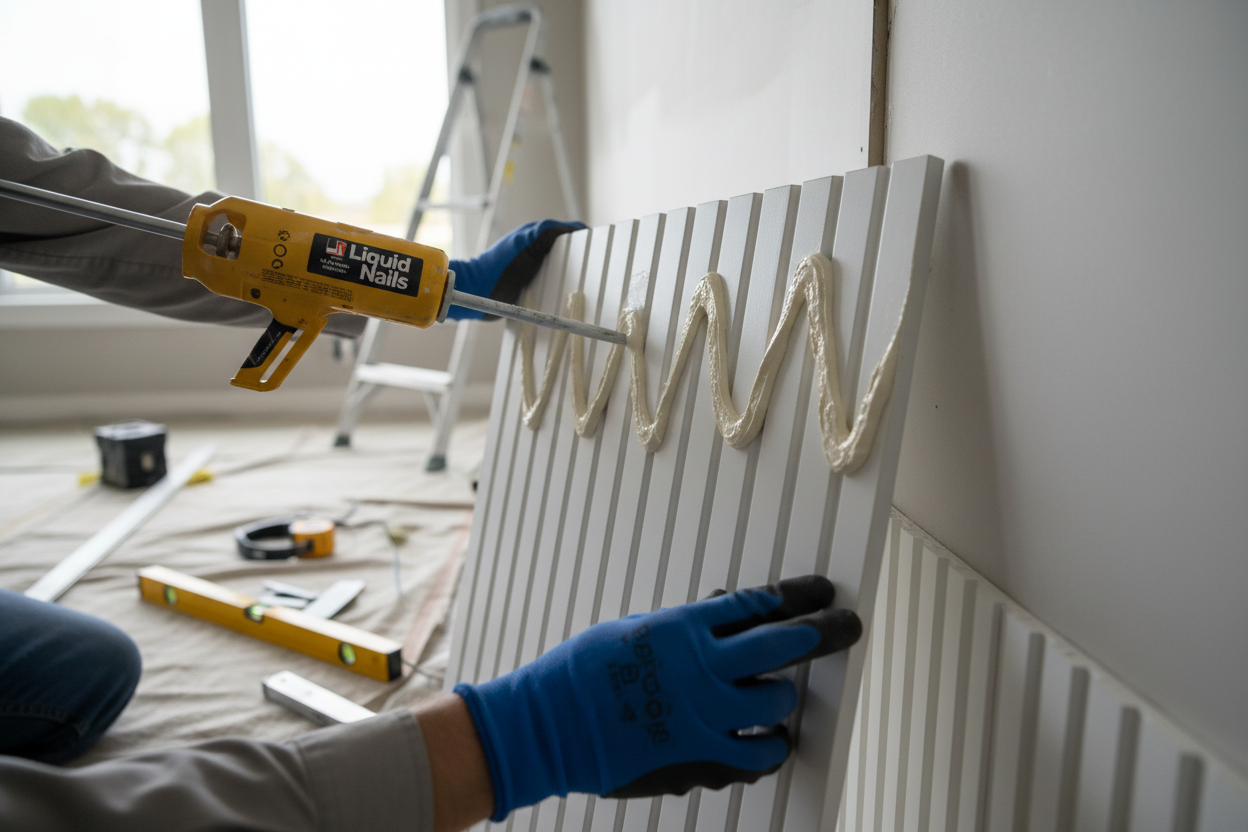
How to Attach Wall Panels: A Modern Guide Using Premium Decorative Wall Panels
Learn how to attach wall panels with this simple guide from Sketch Australia. Discover installation tips for decorative wall panels, decorative wood panels for walls, accent wall panels, PVC decorative wall panels, and more to create modern feature walls with a professional finish.
Learn all
Wall Panels Australia: The Complete Buyer's Guide for 2026
Wall Panels Australia: The Complete Buyer's Guide for 2026 Choosing the right wall panels for your home or commercial project can feel overwhelming when there are so many options out there. Timber slats, stone veneers, PVC boards, carbon crystal panels the list goes on, and they all look different in a showroom than they do on your wall at home. We put this guide together because our team at Sketch Australia gets asked the same questions every week by homeowners, builders, and architects across the country. What actually lasts? What works in a bathroom? What looks good five years from now and not just in a trend photo from 2023? Here is what we have found works, what does not, and how to pick the right option for your specific situation. What Are Wall Panels and Why Are People Choosing Them Over Tiles? Wall panels are flat or textured sheets that fix to your walls to create a finished surface. They range from thin flexible stone that wraps around columns to rigid carbon composite boards used in high-end commercial fitouts. The shift away from traditional tiles has been noticeable over the last few years in Australia. There are a few reasons for that. Grout lines get mouldy and are hard to keep clean, especially in bathrooms. Large-format slabs are expensive and heavy. And increasingly, people want a feature wall that looks like a deliberate design choice rather than a tiled surface you see in every new build. Wall panels solve those problems, but only if you pick the right type for your application. The Main Types of Wall Panels Available in Australia 1. Thin Natural Stone Veneer Panels These are our speciality at Sketch Australia and, in our honest opinion, one of the most underused materials in Australian residential design. Thin stone veneer panels are real stone sliced to 1.5 to 2mm thick and bonded to a fibreglass or fabric backing. The result is a sheet that weighs about 1kg, bends around curves, and installs directly onto plasterboard, glass, or render. They come in slate, marble, sandstone, travertine, and liquid rust finishes. They are suitable for feature walls, bathrooms, facades, fireplaces, and floors. Because they are 100% natural stone, no two sheets look the same. See our full range: Sketch Australia Thin Stone Veneer Collection 2. Carbon Crystal Boards (CCB) Carbon crystal boards are a synthetic panel made from a composite material that mimics the look of marble, mirror, timber, and fabric. They are lighter than stone, completely waterproof, and available in very large sheet sizes, which makes them a good choice for shower walls and full-room feature walls where you want minimal joins. The finish is polished and reflective, which gives them a different look to natural stone. For contemporary commercial fitouts and luxury bathrooms, they are a strong option. Explore CCB options: Carbon Crystal Board Range 3. Timber and Timber-Look Panels Timber wall panelling is very popular in Australia right now, particularly slat-style panels and VJ panelling. Natural timber requires sealing and maintenance, especially in wet areas. Timber-look alternatives made from composite or PVC are lower maintenance but do not have the same warmth as the real thing. If you are going natural timber, make sure it is treated and sealed properly for your climate, particularly in Queensland and coastal areas where humidity causes movement. 4. PVC and Composite Panels PVC panels are inexpensive, completely waterproof, and very easy to install. They are a practical choice for garage walls, utility spaces, and budget bathroom renovations. The limitation is aesthetics. Even the best PVC panels look like PVC up close, and they can feel hollow underfoot or when tapped. For a laundry or workshop, they make a lot of sense. For a master bathroom or a living room feature wall, most people find they regret not spending a bit more on something with more material depth. How to Choose the Right Wall Panels for Your Project The right panel depends on four things: the room, the substrate, your budget, and how long you want it to last. • Wet areas (bathrooms, showers): Go with waterproof materials. Natural stone veneer with a penetrating sealer, carbon crystal boards, or quality PVC are all suitable. Unsealed natural stone or MDF-backed panels will not last in a shower. • Feature walls in living areas: This is where thin stone veneer really shines. The natural texture and variation gives a warmth and depth that synthetic alternatives do not replicate. Slate and marble finishes are the most popular choices. • Exterior facades and cladding: You need UV resistance and weatherproofing. Thin stone veneer panels with the right sealant work well outdoors. Fibre cement and natural stone cladding panels are also commonly used in Australian construction. • Commercial fitouts: Carbon crystal boards and large-format stone veneers are well suited to commercial applications because of their large sheet sizes, low maintenance, and consistent appearance across an entire space. A note on Australian Standards Sketch Australia's thin stone veneer panels are compliant with Australian Standards and have been independently fire tested. When specifying materials for commercial projects or multi-residential buildings, always check the test reports and compliance documentation. You can download our test reports here: sketchaustralia.com.au/pages/test-report Installation: What Your Trades Person Needs to Know Most of the wall panels we supply can be installed with a standard construction adhesive, contact cement, or tile adhesive depending on the substrate. Thin stone veneer does not need special skills or tools it cuts with a Stanley knife, scissors, or an angle grinder. The most common installation mistakes we see involve inadequate substrate preparation and not sealing the stone after installation. Our installation guide covers substrate requirements, adhesive selection, and sealing in detail. It is worth reading before you start, not after. What Does Wall Panelling Actually Cost in Australia? Thin stone veneer panels from Sketch Australia start from around $69 per sheet, which covers approximately 0.25 square metres depending on the product. For a 10 square metre feature wall, you are looking at around $2,500 to $3,500 in materials depending on the finish you choose. Carbon crystal boards are priced at a premium for the sheet size and finish quality. Timber-look and PVC panels are generally cheaper upfront but may need replacement sooner in high-moisture environments. For large projects or trade pricing, visit our B2B trade page for volume discounts and project support. Where to Get Help Before You Buy If you are not sure what will work for your specific project, order a sample pack before committing to a full order. We ship samples across Australia so you can see the real texture and colour in your space before you buy. Order samples: Sketch Australia Sample Packs For specification guidance and technical documentation for commercial projects, the Housing Industry Association and the Australian Building Codes Board provide standards references that are useful when specifying cladding materials.
Learn allHow to Install Wall Panels Bunnings & Wood Wall Panelling (Complete DIY Guide)
Learn how to install wall panels from Bunnings with step-by-step DIY instructions covering MDF, wood, and acoustic panels, plus expert tips to avoid common installation mistakes and achieve a clean, professional finish.
Learn all
How to Install Tongue and Groove Wall Panelling
Learn how to install tongue and groove wall panelling with this step-by-step guide covering timber and wood panel installation, wall preparation, fixing methods, and finishing tips for a professional DIY result.
Learn all
Wall Cladding Sydney: Transform Your Interiors and Exteriors with Stone
Great wall cladding does more than cover a surface. It sets the character of a space, communicates quality and creates visual interest that makes rooms and facades memorable. In Sydney, where design standards are high and property owners are discerning, choosing the right wall cladding material is an important decision. Natural stone wall cladding from Sketch Australia gives Sydney customers access to the most prestigious and enduring wall finish material available, now in a flexible veneer format that makes installation practical, fast and accessible for projects of almost any scale. What Wall Cladding Options Are Available in Sydney? Sydney's cladding market offers a wide range of options from timber and cement board to brick, tile and stone. Each material has its place, but natural stone stands apart for its combination of visual richness, authenticity and long-term durability. Flexible stone wall cladding panels from Sketch Australia are made from genuine natural stone sliced thin and bonded to a flexible backing. This makes them dramatically lighter and more practical than conventional stone while retaining all the authentic visual qualities that make stone so desirable. They can be used on feature walls, exterior facades, bathroom walls, kitchen splashbacks, fireplace surrounds and many other applications throughout Sydney homes and commercial buildings. Interior Wall Cladding Applications in Sydney Inside Sydney homes, wall cladding in natural stone creates a sense of luxury and character that is immediately noticeable. Living room feature walls are among the most popular applications, with homeowners selecting stone textures that complement their furniture, flooring and overall design direction. Entryways and hallways benefit strongly from stone wall cladding because these transitional spaces set the tone for the whole home. A stone-clad entry wall creates a first impression of quality and thoughtfulness that carries through to the rest of the interior. Home offices and libraries are increasingly popular applications for stone wall cladding in Sydney. The material adds seriousness and permanence to these spaces, creating environments that feel productive and considered. Behind a standing desk or bookshelves, a stone wall adds a design element that elevates the entire room. Exterior Wall Cladding in Sydney On the exterior of Sydney properties, wall cladding in natural stone creates curb appeal that is both immediate and lasting. A stone-clad front facade communicates quality from the street. Garden boundary walls and retaining walls in stone look both beautiful and permanent. Outdoor entertaining area walls in stone create a luxurious backdrop for alfresco living. Sydney's climate is generally kind to exterior stone cladding. Mild temperatures, moderate rainfall and good sunshine make it an excellent environment for natural stone, which handles these conditions without significant degradation when properly sealed. The patina that exterior stone develops over years of weather exposure generally enhances rather than detracts from its appearance. Choosing the Right Stone for Your Sydney Wall Selecting the right stone type for your Sydney wall cladding project involves considering the visual effect you want to achieve, the context of the installation and the practical requirements of the location. For contemporary interiors, lighter quartzite or mixed stone panels with subtle textures often work well, keeping the space feeling fresh and modern. For more dramatic or industrial aesthetics, dark slate with its strong linear texture is a compelling choice. For outdoor and garden applications, sandstone's warm earthy tones sit naturally in Sydney's landscape and complement the local sandstone heritage. Our team at Sketch Australia can help you work through these decisions by providing samples, product information and advice based on experience with many different Sydney installation contexts. DIY vs Professional Installation in Sydney Flexible stone wall cladding panels are genuinely accessible for confident DIY renovators in Sydney. The panels cut easily with a utility knife or angle grinder, adhere with standard construction adhesives and do not require specialist tools. Many Sydney homeowners have successfully installed stone feature walls as DIY projects with excellent results. That said, professional installation is recommended for larger areas, wet areas like bathrooms and showers, and exterior facade applications. An experienced tiler or builder will ensure proper substrate preparation, correct adhesive selection, neat cutting around features and a professional finished appearance. For projects where the stakes are higher, the investment in professional installation is well justified. Frequently Asked Questions Q: How do I choose the right wall cladding for my Sydney home? A: Consider the aesthetic you want, the location of the installation and your budget. Sketch Australia's team can help you narrow down the options and make a confident decision. Q: Can wall cladding be installed over existing tiles? A: In some situations yes, provided the existing tiles are sound and well-adhered. Assess the condition of the existing surface carefully or consult a professional before proceeding. Q: Is stone wall cladding heavy? A: Flexible stone veneer panels weigh only 2 to 4 kg per square metre, making them dramatically lighter than conventional stone tiles and suitable for most standard wall substrates. Q: What adhesive should I use for stone wall cladding in Sydney? A: A high-quality flexible tile adhesive or construction adhesive is suitable for most stone veneer installations. For wet areas, use a waterproof adhesive and ensure the substrate is waterproofed. Q: How do I get a quote for wall cladding products from Sketch Australia? A: Visit sketchaustralia.com.au to browse products and pricing, or contact our team directly for a personalised quote on your specific project. Conclusion Wall cladding in natural stone is one of the most impactful investments you can make in a Sydney property. The combination of authentic material quality, visual richness and long-term durability makes it a choice you will appreciate for years. Sketch Australia is ready to help Sydney customers find the perfect wall cladding solution for their project. Visit sketchaustralia.com.au today to explore our range and take the first step toward transforming your walls.
Learn all
Stone Cladding Sydney: Premium Natural Stone for Every Project
Stone cladding is one of the most powerful tools available to Sydney homeowners, designers and builders who want to create spaces of genuine quality and lasting appeal. Sketch Australia's range of flexible natural stone veneer products puts the authentic beauty of real stone within reach for a wider range of Sydney projects than ever before.
Learn all
Blog posts
Blog post
Give your customers a summary of your blog post
Blog post
Give your customers a summary of your blog post
Blog post
Give your customers a summary of your blog post