

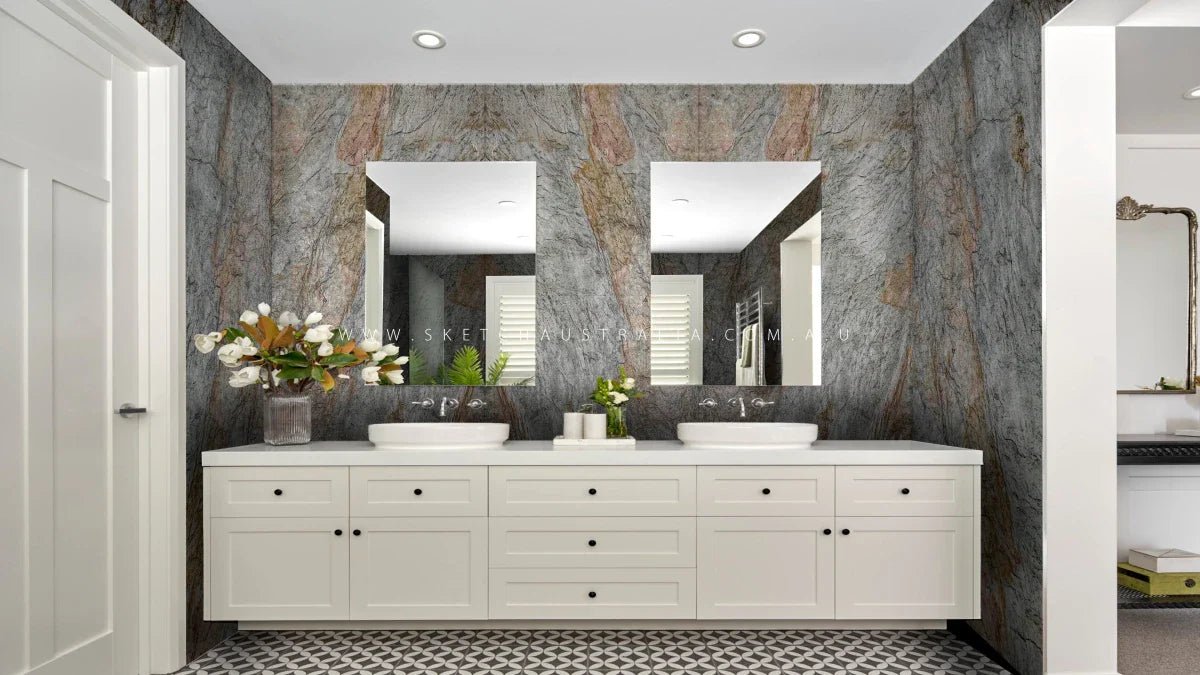

Bathroom wall panels are a popular choice for modern renovations thanks to their waterproof properties, clean finish, and easy maintenance. However, one of the most common challenges during installation is learning how to cut them properly without cracking, chipping, or ruining the finish.
In this guide, we’ll walk you through the correct way to cut bathroom wall panels so you can achieve a professional-looking result, even as a DIY installer.
1. Choose the Right Tools
Before you start cutting, make sure you have the right tools. The quality of your cut largely depends on what you use.
You’ll typically need:
- Fine-toothed saw (hand saw or circular saw)
- Jigsaw (for curves or cut-outs)
- Measuring tape
- Pencil or marker
- Straight edge or ruler
- Masking tape
- Safety goggles and gloves
For PVC or acrylic panels, a fine-toothed saw or circular saw gives the cleanest finish.
2. Measure and Mark Carefully
Accurate measurement is critical. Always measure twice before cutting.
- Measure the wall area where the panel will be installed
- Mark your cutting line clearly on the protective film (if available)
- Use a straight edge to ensure clean, straight lines
- Double-check alignment with fixtures like taps, showers, and corners
A small measurement error can lead to gaps or uneven joins later.
3. Use Masking Tape to Prevent Chipping
Applying masking tape over your cutting line helps reduce chipping and keeps the surface clean.
- Place tape along the cut line on both sides
- Re-mark your line on top of the tape for visibility
- This is especially important for glossy or acrylic finishes
4. Cutting the Panel
Now it’s time to cut.
Straight Cuts:
- Use a circular saw with a fine-tooth blade
- Cut slowly and steadily
- Keep the decorative side facing up for circular saws (or follow blade recommendations)
Jigsaw Cuts:
- Ideal for pipes, sockets, and corners
- Drill a starter hole if needed
- Move slowly to avoid jagged edges
Hand Saw Option:
- Works for small adjustments
- Requires more patience but gives good control
5. Smooth the Edges
After cutting, the edges may feel rough.
- Use fine sandpaper to smooth plastic edges
- Remove any burrs or sharp bits
- Wipe down dust before installation
A clean edge ensures tight joins and a more professional finish.
6. Dry Fit Before Installing
Before fixing the panel permanently:
- Place it against the wall
- Check alignment with corners and fittings
- Ensure there are no gaps or overlaps
Make adjustments if necessary before applying adhesive.
7. Common Mistakes to Avoid
- Cutting too fast (causes cracking or chipping)
- Not measuring twice
- Forgetting pipe or fixture allowances
- Skipping edge finishing
- Using the wrong blade type
Avoiding these mistakes will save time and material.
Final Thoughts
Cutting bathroom wall panels is straightforward once you understand the right tools and techniques. With careful measuring, the correct blade, and a steady approach, you can achieve a smooth, professional finish every time.
For homeowners and installers looking for high-quality, easy-to-install panels, brands like Sketch Australia offer durable solutions designed to simplify the renovation process while maintaining a premium look.