

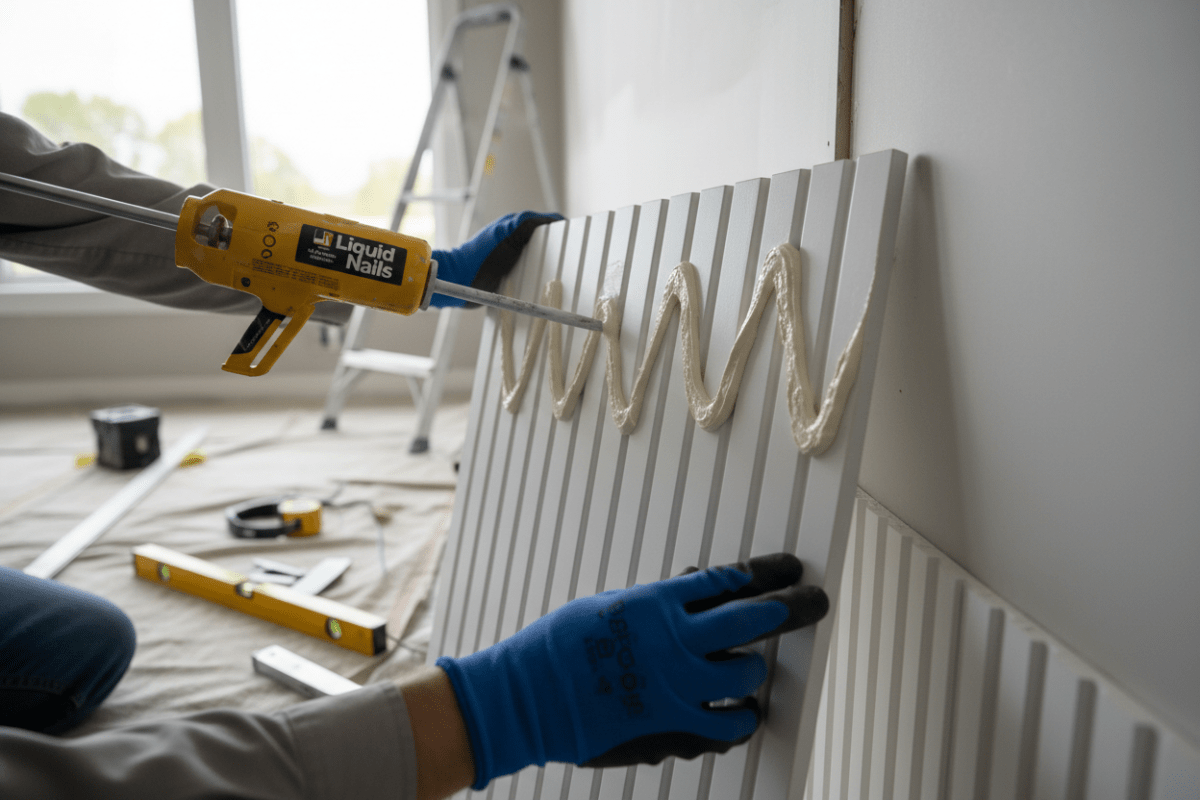
Wall panels have become one of the most popular ways to transform interiors, adding texture, character, and style to everything from living rooms and bedrooms to bathrooms and commercial spaces. However, achieving a professional-looking installation depends heavily on one crucial step: cutting the panels correctly.
Whether you're installing timber feature panels, decorative MDF panels, or waterproof bathroom wall panels, knowing how to cut wall panels properly can save you time, money, and frustration. A poorly executed cut can lead to visible gaps, damaged edges, wasted materials, and an uneven finish.
In this guide, we'll walk you through the tools, techniques, and expert tips needed to cut wall panels accurately and safely. You'll also learn how different materials require different cutting methods and how to avoid common mistakes that many DIY installers make.
Know Your Panel Before You Cut
Can You Cut Wall Panels?
Yes, wall panels can be cut to size, but the cutting method depends on the material you're working with. Not all wall panels behave the same way during cutting. Some materials are prone to splintering, while others can crack if the wrong tool is used.
Common wall panel materials include:
-
MDF wall panels
-
Timber wall panels
-
PVC wall panels
-
Bathroom wall panels
-
Shower wall panels
-
Acoustic wall panels
Before making any cuts, it's important to check the manufacturer's installation instructions. Some products may require specific blades or cutting techniques to maintain the integrity of the panel and preserve warranty coverage.
The Best Tools for the Job
Choosing the right tool can make the difference between a clean, professional finish and a damaged panel.
Jigsaw
A jigsaw is one of the most versatile tools for cutting wall panels. It's ideal for:
-
Curved cuts
-
Cut-outs around power points
-
Pipes and fixtures
-
Detailed trimming work
Circular Saw
For long, straight cuts, a circular saw often provides the cleanest results. It works particularly well on:
-
MDF panels
-
Timber wall panels
-
Large decorative panels
Utility Knife
A utility knife can be effective for some thinner PVC wall panels and lightweight materials. Multiple scoring passes are usually required before snapping the panel cleanly.
Fine-Tooth Hand Saw
For smaller projects or minor adjustments, a fine-tooth hand saw offers excellent control and reduces the risk of damaging decorative surfaces.
Essential Safety Equipment
Never overlook safety when cutting wall panels.
At minimum, you should wear:
-
Safety glasses
-
Dust mask or respirator
-
Hearing protection when using power tools
-
Protective gloves
Cutting MDF and timber panels can generate fine dust particles that should not be inhaled. Proper ventilation is also recommended.
Expert Insight: Preparation Matters More Than Cutting Speed
One of the most common mistakes installers make is rushing into the cut.
Experienced installers know that successful installations are usually won or lost during preparation. Taking the time to measure accurately, mark clearly, and double-check dimensions significantly reduces mistakes and material waste.
The old saying still applies:
Measure twice, cut once.
How to Cut Wall Panels in 5 Simple Steps
Regardless of the material you're working with, the following process will help you achieve cleaner, more accurate cuts.
Step 1: Measure and Mark Accurately
Begin by measuring the installation area carefully.
Use a tape measure and mark the cutting line with a pencil and straight edge. If the panel will fit around power outlets, windows, or pipes, measure these locations precisely before transferring the measurements onto the panel.
Small measuring errors can become highly visible once the panels are installed.
Step 2: Choose the Right Tool and Blade
Different materials require different blades.
For example:
-
MDF panels perform best with fine-tooth blades.
-
Timber panels benefit from sharp carbide-tipped blades.
-
PVC wall panels require blades designed to reduce chipping.
Using the wrong blade can result in rough edges, splintering, or cracking.
Step 3: Secure the Panel Properly
Place the panel on a stable work surface before cutting.
Support both sides of the cut line whenever possible. Unsupported panels can flex during cutting, increasing the risk of inaccurate cuts or material damage.
Clamps can be useful for holding the panel firmly in place.
Step 4: Cut Slowly and Steadily
Many DIYers believe faster cutting saves time, but it often produces poorer results.
Instead:
-
Let the blade do the work.
-
Maintain a consistent speed.
-
Follow the marked line carefully.
-
Avoid forcing the tool through the material.
Steady cuts generally create cleaner edges and reduce stress on the panel.
Step 5: Finish and Smooth the Edges
After cutting, inspect the edge carefully.
Depending on the material, you may need to:
-
Sand rough edges
-
Remove burrs
-
Apply edge trims
-
Seal exposed areas in wet environments
This final step helps create a more professional appearance and can improve durability.
Pro Tips for Cleaner Cuts
If you're aiming for a high-end finish, these professional techniques can help:
Use Masking Tape
Applying masking tape over the cut line can reduce surface splintering, especially on decorative timber and MDF panels.
Use Sharp Blades
Dull blades often cause tearing and chipping. Replacing worn blades is one of the easiest ways to improve cutting quality.
Test on Offcuts First
If you're unfamiliar with a material, practice on an offcut before making cuts on the final panel.
Support the Decorative Surface
Always follow the manufacturer's recommendations regarding which side should face upward during cutting to minimise visible damage.
Material-Specific Cutting Techniques
How to Cut Wall Panels With a Jigsaw
A jigsaw is one of the most useful tools for DIY wall panel installation.
It excels when cutting:
-
Curves
-
Corners
-
Electrical outlet openings
-
Irregular shapes
To achieve the best results:
-
Mark the cut line clearly.
-
Install a fine-tooth blade.
-
Secure the panel firmly.
-
Begin cutting slowly.
-
Maintain steady pressure throughout the cut.
Benefits of a Jigsaw
-
Highly versatile
-
Easy to manoeuvre
-
Excellent for detailed cuts
Limitations
-
Slower than circular saws
-
Can leave rougher edges on long cuts
-
Requires a steady hand for best results
How to Cut Wood Panels for Walls
Wood wall panels remain a popular choice for creating warm and sophisticated interiors.
However, timber products can splinter if cut incorrectly.
To minimise tear-out:
-
Use a sharp fine-tooth blade.
-
Apply masking tape along the cut line.
-
Cut at a steady speed.
-
Support the panel fully.
For long straight cuts, a circular saw often produces the cleanest finish.
When learning how to cut wood wall paneling, patience is critical. Rushing increases the likelihood of damaged edges and visible imperfections.
How to Cut PVC Wall Panels
PVC panels are lightweight, water-resistant, and widely used in bathrooms, kitchens, and laundry areas. While they are generally easier to cut than timber or MDF panels, they can crack or chip if handled incorrectly.
When learning how to cut PVC wall panels, the key is using the right blade and avoiding excessive force.
Best Tools for Cutting PVC Panels
-
Fine-tooth jigsaw blade
-
Circular saw with a fine-tooth blade
-
Utility knife (for thinner panels)
-
Multi-tool for small adjustments
Steps for Cutting PVC Panels
-
Measure and mark your cut line accurately.
-
Secure the panel to prevent movement.
-
Use a fine-tooth blade to minimise chipping.
-
Cut slowly and avoid forcing the blade.
-
Smooth any rough edges if necessary.
Expert Tip
PVC can expand and contract slightly with temperature changes. If you're installing panels in areas exposed to significant heat or moisture, always follow the manufacturer's recommended expansion gaps.
How to Cut Bathroom Wall Panels
Bathroom wall panels are specifically designed to withstand moisture, making them a popular alternative to traditional tiles. However, cutting these panels requires extra care to preserve their waterproof properties.
Key Considerations
-
Measure carefully around sinks, vanities, and plumbing fixtures.
-
Avoid damaging decorative or waterproof surface coatings.
-
Follow installation instructions provided by the manufacturer.
Common Bathroom Panel Cuts
You may need to create openings for:
-
Tapware
-
Shower fittings
-
Electrical outlets
-
Vanity units
-
Pipe penetrations
Using a jigsaw with a fine-tooth blade is often the easiest way to make these detailed cuts while maintaining accuracy.
How to Cut Shower Wall Panels
Shower wall panels require the highest level of precision because even small gaps can compromise waterproofing.
When learning how to cut shower wall panels, focus on accuracy rather than speed.
Best Practices
-
Double-check all measurements before cutting.
-
Create templates for complex shapes when possible.
-
Use hole saws for plumbing penetrations.
-
Seal exposed edges where recommended.
Why Precision Matters
Poorly cut shower panels can lead to:
-
Visible gaps
-
Difficult installation
-
Water penetration
-
Reduced lifespan of the wall system
Taking extra time during the cutting phase can help prevent costly repairs later.
Common Mistakes, Risks, and Alternatives
Mistakes That Ruin Wall Panels
Even experienced DIYers occasionally make errors. Understanding the most common mistakes can help you avoid unnecessary costs.
Incorrect Measurements
Most panel installation problems begin with inaccurate measurements. Always verify measurements before making a cut.
Using the Wrong Blade
A blade designed for rough timber work may damage decorative panels and create visible chipping.
Cutting Too Quickly
Rushing often results in uneven edges and poor-quality cuts.
Failing to Support the Panel
Unsupported panels can flex, vibrate, or crack during cutting.
Safety and Installation Risks
Cutting wall panels is generally straightforward, but it does involve certain risks.
Personal Safety Risks
-
Flying debris
-
Dust inhalation
-
Tool-related injuries
-
Noise exposure
Material Damage Risks
-
Chipped decorative surfaces
-
Cracked PVC panels
-
Splintered timber edges
-
Incorrect cut dimensions
How to Reduce Risks
-
Wear appropriate safety gear.
-
Use sharp blades.
-
Secure panels properly.
-
Follow manufacturer instructions.
-
Work in a clean, well-lit space.
Should You DIY or Hire a Professional?
Many homeowners successfully install wall panels themselves, particularly when working on feature walls or simple layouts.
However, professional installation may be worth considering if:
-
The project involves complex layouts.
-
Large areas require installation.
-
Bathroom or shower waterproofing is involved.
-
You have limited experience with power tools.
DIY Benefits
-
Lower installation costs
-
Flexible project timeline
-
Personal satisfaction
Professional Benefits
-
Faster installation
-
Reduced material waste
-
Expert workmanship
-
Greater confidence in wet-area applications
Why Properly Cut Wall Panels Matter
Cutting panels correctly does more than improve appearance—it affects the overall success of the installation.
Key Benefits
Better Appearance
Clean cuts create tighter joins and a more polished finish.
Easier Installation
Accurate panels fit more easily into place, reducing adjustments during installation.
Less Material Waste
Careful cutting reduces costly mistakes and replacement purchases.
Improved Durability
Properly cut and finished panels are less likely to suffer edge damage over time.
Increased Property Appeal
Well-installed wall panels can enhance the visual appeal and perceived value of a room.
Limitations to Be Aware Of
While wall panels are generally DIY-friendly, some limitations exist.
-
Certain materials require specialised tools.
-
Wet-area installations demand greater precision.
-
Some products have specific warranty requirements.
-
Decorative finishes can be damaged if handled incorrectly.
Understanding these limitations helps set realistic expectations before beginning your project.
Frequently Asked Questions
Can You Cut Wall Panels Yourself?
Yes. Most wall panels can be cut using common DIY tools such as jigsaws, circular saws, and utility knives. The correct tool depends on the panel material.
What Is the Best Tool for Cutting Wall Panels?
There is no single best tool for every situation. A circular saw is ideal for long straight cuts, while a jigsaw is often preferred for detailed cuts and cut-outs.
Can You Cut Wall Panels With a Jigsaw?
Absolutely. In fact, a jigsaw is one of the most versatile tools for cutting wall panels, especially when dealing with curves, corners, and openings around fixtures.
How Do You Cut PVC Wall Panels Without Cracking Them?
Use a fine-tooth blade, secure the panel properly, and cut slowly. Avoid applying excessive pressure during the cut.
How Do You Cut Bathroom Wall Panels Around Pipes?
Measure carefully, mark the pipe location accurately, and use a hole saw or jigsaw to create a precise opening.
Do Wall Panels Need Sealing After Cutting?
Some products, particularly those used in wet areas, may require sealing on exposed edges. Always follow the manufacturer's recommendations.
Can Cutting Wall Panels Affect the Warranty?
In some cases, yes. Certain manufacturers specify approved cutting methods and installation procedures. Always review product documentation before beginning work.
Conclusion
Learning how to cut wall panels correctly is one of the most important steps in achieving a professional-looking installation. Whether you're working with timber, MDF, PVC, bathroom panels, or shower wall systems, the right tools and techniques can make a significant difference to the final result.
The process itself is straightforward:
-
Measure carefully.
-
Choose the correct tool and blade.
-
Secure the panel properly.
-
Cut slowly and accurately.
-
Finish the edges neatly.
Remember that different materials require different approaches. Understanding how to cut wood panels for walls, how to cut PVC wall panels, and how to cut shower wall panels will help you avoid common mistakes and achieve cleaner, more precise results.
With proper preparation, attention to detail, and a commitment to safety, even DIY installers can achieve professional-quality outcomes that look great and stand the test of time.