

Ideas & Guides
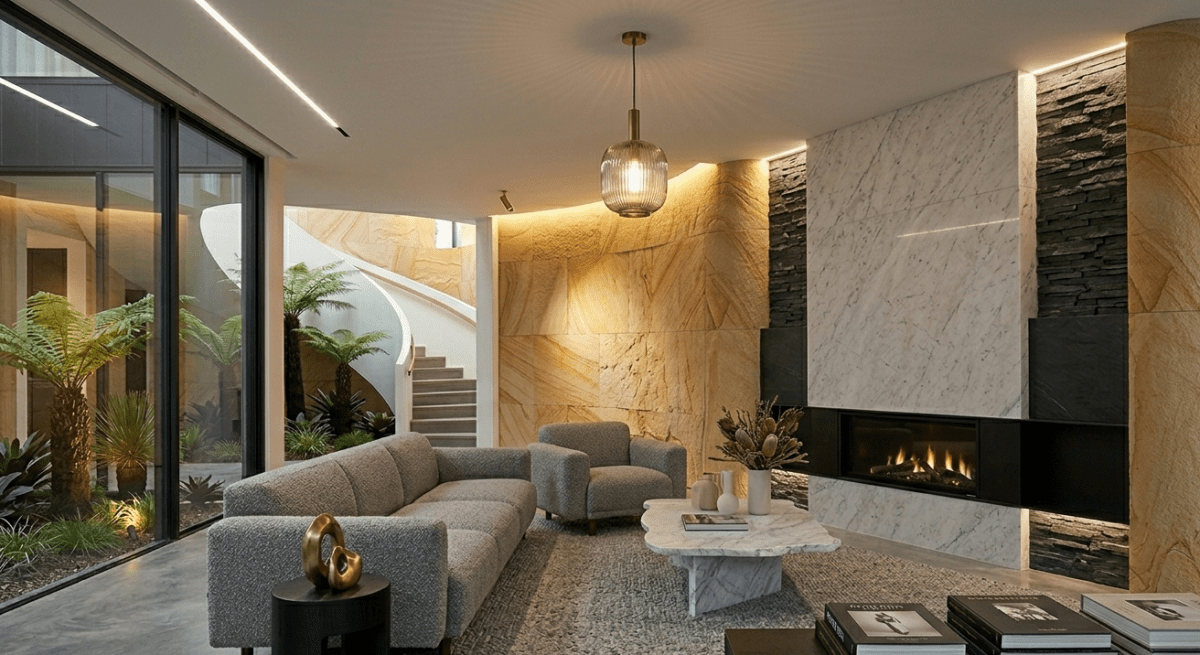

How to Choose the Best Stone for Your Fireplace in Australia (Complete 2026 Guide)
Fireplaces are becoming a key design element in contemporary Australian homes. Whether you’re renovating or building new, the material you choose for your fireplace determines the overall look, durability, and maintenance required. More homeowners are now turning to stone veneer as the preferred option for creating a stunning, long-lasting fireplace feature. At Sketch Australia, we specialise in premium-quality stone panels that deliver the elegance of real stone — without the heavy installation costs or structural limitations. This article explains why stone veneer has become the leading choice for building a modern stone veneer fireplace and how it can completely transform your living space. What Makes Stone Veneer Ideal for Fireplaces? Traditional stone is beautiful, but it can be heavy, expensive, and time-consuming to install. Stone veneer solves all these issues while maintaining the authentic stone finish that homeowners love. Key advantages of stone veneer for fireplaces: Lightweight & easier to installNo reinforced foundations or heavy-duty support needed. Heat-resistant and safeOur veneers are designed to withstand high temperatures around fireplaces. Affordable alternative to full-thickness stoneGet the same luxurious look at a fraction of the cost. Perfect for renovationsYou can update an old fireplace without major construction work. These benefits make stone veneer the perfect material for creating a stylish, modern fireplace with veneer stone in any type of home. Top Fireplace Stone Trends in Australia The fireplace is often the centrepiece of the living room, which is why choosing the right fireplace stone matters. Here are the biggest trends for 2025: 1. Floor-to-Ceiling Stone Fireplace Walls This creates a dramatic visual impact and makes small rooms appear taller and more spacious. 2. Textured Natural Stone Looks Split-face and rough-cut stone veneers add depth, shadow, and character. 3. Earthy Tones Inspired by Australian Landscapes Warm greys, soft browns, and sandy tones blend beautifully with timber floors and neutral interiors. 4. Indoor–Outdoor Continuity Matching your indoor fireplace stone with outdoor cladding creates a seamless, luxurious design flow. How to Choose the Right Stone for Your Fireplace Here’s what to consider when selecting stone for a fireplace: Room size and lightingDark stones add drama; lighter stones brighten small spaces. Interior design styleModern styles match smooth finishes; rustic homes suit textured veneers. Heat exposureChoose high heat-resistant natural stone veneers like the ones offered by Sketch Australia. Desired maintenance levelSmooth stones are easier to clean; rougher textures hide dust better. Our team at Sketch Australia can guide you to choose the best panel based on your home’s style and functional needs. Why Australians Trust Sketch Australia for Fireplace Stone Sketch Australia offers a premium collection of natural stone veneer panels handcrafted for beauty, durability, and convenience. Here’s why we’re a leading choice: 100% natural stone surfaces Lightweight, easy installation Architect-approved quality Heat-resistant and long-lasting Wide variety of colours and textures Australia-wide delivery Perfect for both indoor and outdoor fireplaces Every stone panel is engineered to give you maximum design impact with minimum installation effort. Conclusion A modern stone veneer fireplace brings warmth, elegance, and sophistication into any home. Whether you’re building a new fireplace or upgrading an old one, stone veneer is the most practical and visually impressive choice available today. Sketch Australia provides the highest-quality fireplace stone and veneer panels designed specifically for Australian homes. Explore our full collection and start planning your dream fireplace with veneer stone today. 👉 Visit: sketchaustralia.com.au
Learn all
Stone Cladding for Fireplace Ideas to Transform Australian Homes in 2026
Introduction A fireplace is not just a heat source anymore — it is the heart of home design. Today, Australian homeowners prefer natural, stylish, and durable finishes like stone cladding fireplaces, stone veneer fireplaces, sandstone cladding, and stacked stone veneer fireplaces to elevate interior aesthetics. Whether you’re designing a new home or upgrading an old living space, the right stone cladding on a fireplace can completely change the atmosphere. At Sketch Australia, we see an increased demand for fireplace stone finishes that combine elegance, heat resistance, and longevity. In this guide, we’ll walk through trending designs, materials, installation tips, cost expectations, and the long-term benefits of adding stone cladding to your fireplace. Popular Types of Stone for Fireplaces 1. Stone Cladding Fireplace (Modern & Lightweight) Stone cladding is one of the most widely chosen materials because it is:✔ Lightweight✔ Cost-effective✔ Quick to install✔ Available in many finishes It gives the visual impact of real stone without structural load issues, making it ideal for modern residential installations. 2. Stone Veneer Fireplace (Designer Look, Thin Layers) A stone veneer fireplace uses thin natural or manufactured stone sheets applied over existing surfaces. It delivers:✔ High-end luxury appearance✔ Multiple colour and texture options✔ Compatibility with both indoor and outdoor fireplaces 3. Sandstone Fireplace & Sandstone Cladding (Warm & Timeless) Sandstone is a natural material known for its:✔ Earthy tones (beige, cream, honey, tan)✔ Thermal resilience✔ Timeless appeal A sandstone fireplace is a perfect fit for classic homes, country-style interiors, and heritage aesthetics. 4. Stacked Stone Fireplace (3D, Bold & Textured) The stacked stone veneer fireplace look provides drama and depth. It features:✔ Layered stone pieces for 3D texture✔ Horizontal alignment for elongated room effect✔ Popular for TV fireplace combo walls Top Stone Fireplace Design Trends in Australia Trend Description Floor-to-ceiling stone fireplaces Creates a grand focal point TV + stone fireplace combo Sleek and space-efficient Sandstone cladding with timber accents Coastal and earthy balance Dark stacked stone feature wall Modern luxury aesthetic Slim stone veneer fireplaces Minimalist contemporary homes Benefits of Stone Cladding on Fireplace ✔ Heat resistant & fire-safe✔ Boosts home value✔ No discolouration over time✔ Easy to maintain✔ Eco-friendly natural options available✔ Perfect for both indoor and outdoor designs Installation Process (Simplified) Surface preparation – cement board or suitable substrate Material layout planning – dry placement to optimise design Stone adhesive application – high-performance bonding Stone placement – row by row precision fixing Grout (optional depending on style) Sealing for durability – especially for natural stones like sandstone How to Maintain Your Stone Fireplace 🟤 Dust weekly with a microfiber cloth🟤 Use mild stone-safe cleaners🟤 Avoid acidic or harsh chemicals🟤 Re-seal natural stone every 12–24 months Final Thoughts From modern elegance to rustic luxury, stone cladding fireplaces offer unmatched visual and functional benefits. With endless options like sandstone fireplaces, stacked stone fireplaces, and stone veneer fireplace systems, homeowners can design stunning feature walls that last a lifetime. Explore premium materials at Sketch Australia to bring your ideal fireplace to life.
Learn all
Sandstone Fireplace Design for Warm and Natural Australian Interiors
A fireplace is more than just a functional heating element — it’s a centerpiece that defines the character and atmosphere of a living space. One of the most elegant ways to elevate your fireplace is through stone cladding and sandstone fireplaces. These features not only add visual depth and texture but also create a warm, inviting environment that enhances the overall aesthetic of your home. At Sketcha Australia, we specialize in helping homeowners design and install stunning stone veneer fireplaces, stacked stone fireplaces, and a variety of stone cladding on fireplace options. Whether you’re renovating an existing fireplace or building a new one, the right stone can transform a room into a timeless masterpiece. What is Stone Cladding and Why It Works for Fireplaces? Stone cladding is the application of thin stone panels or veneer to a surface, giving the appearance of full stone construction without the weight and cost. It’s ideal for fireplaces because it allows you to achieve the aesthetic appeal of natural stone while providing flexibility in installation and design. Benefits of Stone Cladding on Fireplaces: Visual Appeal: Adds texture, color, and dimension to your fireplace, making it a statement feature. Cost-Effective: Achieves the luxury look of stone without expensive masonry. Lightweight & Easy Installation: Can be applied to existing walls or fireplace surrounds. Durability & Heat Resistance: Many cladding options are suitable for use around wood, gas, or electric fireplaces. Low Maintenance: Requires minimal upkeep compared to traditional stone masonry. By incorporating stone cladding, you can turn a simple fireplace into a feature wall that becomes the heart of your living room. Why Sandstone is a Popular Choice Sandstone fireplaces are highly sought after for their natural warmth and timeless appeal. Here’s why: Natural Beauty: Sandstone offers a wide range of earthy colors, from soft beige to deep browns, that blend seamlessly with various interior designs. Texture & Depth: Its grainy texture adds visual interest and a tactile quality that enhances the fireplace’s presence. Versatility: Sandstone cladding works in both traditional and contemporary settings, complementing rustic homes as well as modern minimalist designs. Durability: Properly sealed sandstone withstands heat, moisture, and the test of time, making it ideal for Australian climates. Design Tip: Extend sandstone cladding beyond the fireplace to create a continuous accent wall. This adds drama and anchors the room visually. Types of Stone Cladding for Fireplaces Stacked Stone CladdingStacked stone cladding features horizontal layers of thin stone, creating a textured and modern appearance. It’s perfect for contemporary interiors and can be applied floor-to-ceiling for maximum visual impact. Ledgestone PanelsLedgestone panels consist of larger stones arranged in staggered layers. This style creates a rugged, natural look ideal for traditional or rustic homes. Smooth Veneer PanelsSmooth veneer panels offer a sleek and clean appearance. They’re often used in modern or minimalist interiors where subtle texture is desired. Mixed Stone CladdingCombining different textures or stone types adds a dynamic visual effect. For example, pairing sandstone with stacked stone creates depth and contrast, making your fireplace a true centerpiece. Design Tips for Stone-Clad Fireplaces 1.Consider the Home’s Style Rustic Homes: Opt for rugged, textured stones to complement natural wooden elements. Modern Homes: Choose smooth, stacked stone veneer with clean lines for a minimalist look. Coastal Homes: Lighter tones like cream, beige, or soft gray create an airy, relaxed feel. 2.Think About Color Palette Use stone colors that harmonize with your existing décor. Consider contrast for emphasis — dark stones can create a dramatic focal point. 3.Plan Coverage & Layout Full Wall vs. Surround: Full-height cladding creates a striking feature wall, while partial surrounds offer a subtle accent. Hearth Extension: Extend stone to the floor or adjacent walls to integrate the fireplace into the room’s design. 4.Lighting Considerations Use uplights or recessed lighting to highlight textures. Light can accentuate depth, creating a more visually appealing fireplace. 5.Safety and Installation Ensure the surface behind the cladding is heat-resistant. Use adhesives and fixings approved for fireplace applications. Proper installation ensures longevity and safety. Benefits of Stone-Clad Fireplaces in Australian Homes Aesthetic VersatilityStone-clad fireplaces suit a wide range of Australian home styles — from modern urban apartments to coastal retreats. Durability in Australian ClimatesSandstone and other stone veneers withstand heat, humidity, and daily wear. Properly sealed stone maintains its beauty for decades. Indoor-Outdoor IntegrationAustralian homes often feature open-plan designs and outdoor living areas. Stone cladding can be used indoors and outdoors to create continuity. Added Home ValueA well-designed fireplace enhances both the aesthetic appeal and market value of your home. Maintenance and Care Stone-clad fireplaces are low-maintenance but benefit from routine care: Dust Regularly: Use a soft brush or vacuum to prevent dust buildup. Clean Spills Promptly: Wipe any liquid spills immediately to avoid staining. Seal Natural Stone: Reapply sealant every few years to protect against moisture and stains. Inspect Periodically: Check for loose veneers or cracks, especially in high-heat areas. Popular Stone Cladding Styles Full-Height Sandstone FireplaceCovers the entire wall from floor to ceiling for a dramatic effect. Stacked Stone SurroundAdds modern texture without overwhelming the room. Mixed Stone Feature WallCombines different stone types and textures for a layered, sophisticated look. Hearth & Mantel IntegrationStone cladding paired with wood or metal mantels creates contrast and visual interest. Why Choose Sketcha Australia At Sketcha Australia, we specialize in helping homeowners create stunning stone-clad fireplaces. Our services include: Consultation & Design: Guidance on selecting the right stone type, texture, and color for your home. Sample Viewing: Touch and feel different stone veneers before making a decision. Professional Installation Support: Connects you with certified installers experienced in stone cladding. Integration Advice: Ensures your fireplace is safe, functional, and visually cohesive with your space. With our expertise, you can transform an ordinary fireplace into a captivating centerpiece that enhances the beauty and warmth of your home. Call to Action If you’re ready to elevate your living space with a sandstone fireplace or stone cladding fireplace, contact Sketcha Australia today. Our team will guide you through the design, selection, and installation process to create a fireplace that is both functional and breathtaking. Turn your fireplace into a statement of style, comfort, and timeless elegance with Sketcha Australia.
Learn all
Stone Veneer Fireplace Ideas to Transform Modern Australian Homes (2026 Guide)
A fireplace has always been the centerpiece of a home — a place to gather, share warmth, and create memories. But in modern interiors, the design of your fireplace is as important as its function. If you’re looking to elevate your living space, a stone veneer fireplace offers the perfect combination of elegance, durability, and visual appeal. Unlike traditional stone masonry, stone veneer provides a lighter, more affordable, and versatile solution while still delivering the natural beauty and texture of real stone. At Sketcha Australia, we specialize in stone fireplaces, stone veneer fireplaces, and various cladding options to transform ordinary spaces into stunning focal points. Whether you’re renovating a cozy living room or designing a new home, a stone veneer fireplace can instantly enhance the ambiance. What is a Stone Veneer Fireplace? A stone veneer fireplace uses thin slices of natural or manufactured stone, applied over a prepared surface, to mimic the appearance of full-depth stone construction. Stone veneer can be installed over drywall, concrete, or even existing brickwork, offering a lightweight, flexible, and cost-effective alternative to traditional stone fireplaces. There are several types of stone veneer available for fireplace applications: Natural Stone Veneer – Real stone cut into thin pieces. Offers authentic textures and colors. Manufactured Stone Veneer (Faux Stone) – Engineered from concrete and pigments to mimic natural stone. Lightweight and easier to install. Stacked Stone Veneer – Horizontal layers of stone that create depth and a modern, linear appearance. Ledgestone Panels – Larger stones arranged in staggered layers for a rugged, rustic look. Benefits of Stone Veneer for Fireplaces: Aesthetic Appeal: Stone veneer adds texture, color, and depth to your fireplace, turning it into a design statement. Cost-Effective: Achieve the luxury look of natural stone at a fraction of the price. Easy Installation: Lightweight panels reduce labor costs and structural load. Durable and Heat Resistant: Many veneers can safely withstand the heat generated by wood, gas, or electric fireplaces. Low Maintenance: Unlike full stone, veneer doesn’t require extensive upkeep. Types of Stone Veneer Suitable for Fireplaces 1. Stacked Stone Veneer Fireplace Stacked stone veneer is ideal for modern and contemporary designs. Its horizontal layering creates a clean, linear look that complements open-plan living spaces. It can be applied floor-to-ceiling to create a dramatic feature wall. Design Tip: Use lighting to highlight the texture and depth of the stacked stone. Uplighting or wall-mounted spotlights can enhance the visual impact. 2. Sandstone Fireplace Sandstone is a classic choice that blends warmth and natural beauty. Its earthy tones and subtle patterns are perfect for cozy living rooms. Sandstone cladding can extend beyond the fireplace surround to create a continuous accent wall, anchoring the space. Maintenance: While sandstone is durable, it should be sealed to prevent staining and maintain color vibrancy. 3. Stone Cladding on Fireplace Stone cladding can transform an existing fireplace into a stunning architectural feature. It’s especially useful for renovations where you want a modern update without rebuilding from scratch. Options include full-height cladding, partial surrounds, and hearth extensions. Pro Tip: Combine different veneer textures for contrast — for example, smooth sandstone with rough stacked stone to create a layered, dynamic effect. How to Choose the Right Stone Veneer Consider Your Home Style Rustic and traditional homes pair well with rugged, natural textures. Modern interiors benefit from sleek, stacked stone with minimal grout lines. Coastal homes often feature lighter stones like limestone or travertine to enhance the airy feel. Color Palette Match stone tones to your existing décor. Neutral grays, beiges, and creams are versatile. Dark stones make a bold statement and draw the eye to the fireplace as a central feature. Size and Scale Small fireplaces can be visually enhanced with vertical stone panels to create the illusion of height. Larger fireplaces can accommodate dramatic floor-to-ceiling installations. Installation Surface Ensure walls are prepared properly with fire-rated materials where necessary. Veneer adhesives and mechanical fixings should meet local building standards. Installation Process Preparation Clean and level the surface. Apply a moisture barrier if necessary. Layout Planning Arrange stone veneer pieces on the floor first to plan the pattern. Consider the mix of colors, shapes, and textures. Installation Apply adhesive to the wall. Press each veneer piece firmly, maintaining consistent spacing. Use spacers if required for grout lines. Finishing Touches Fill joints with grout or leave dry-stack for a modern look. Seal natural stone for protection against stains. Tip: Professional installation ensures safety, compliance, and the best visual result. Sketcha Australia can connect you with trusted installers. Maintenance and Longevity Stone veneer fireplaces are generally low-maintenance: Dust surfaces regularly to maintain appearance. Wipe spills promptly to prevent staining. Reapply sealant on natural stones every few years to preserve color and durability. Why Stone Veneer Fireplaces Are Perfect for Australian Homes Australian homeowners are increasingly embracing natural textures and materials in interior design. Stone veneer fireplaces offer: Indoor-Outdoor Harmony: Perfect for open-plan homes or spaces with a connection to outdoor living. Climate Suitability: Stone handles Australian heat and humidity well when sealed properly. Design Versatility: Complements both modern and traditional Australian homes. Examples of Stunning Stone Veneer Fireplace Designs Stacked Stone Veneer Fireplace: Modern linear design, perfect for a minimalist living room. Sandstone Fireplace: Warm and earthy tones that create a cozy atmosphere. Mixed Stone Cladding: Combining textures and colors to create a statement feature wall. Visual Tip: Include before-and-after photos to showcase the transformation. Call to Action Ready to transform your living room into a stunning, stylish space? At Sketcha Australia, we provide: Expert advice on stone fireplaces and stone veneer fireplaces Sample viewing and color matching Full installation support with certified professionals Guidance on choosing the right stone for your home and budget Contact us today to discuss your dream fireplace and get a free consultation. Let’s bring warmth, elegance, and timeless beauty to your home with a stone veneer fireplace.
Learn all
The Ultimate Guide to Stone Cladding Costs, Installation, and Benefits in Australia
Stone cladding offers an exquisite blend of natural beauty, durability, and functional benefits that make it a prime choice for Australian homeowners seeking to enhance the value and aesthetics of their properties. This comprehensive guide draws on expert knowledge and practical experience to help you understand stone cladding costs, the installation process, and the benefits tailored for diverse Australian climates — all aligned with Google’s E-E-A-T principles for trusted and authoritative content. Understanding Stone Cladding and Its Popularity in Australia Stone cladding involves applying a natural or manufactured stone veneer to a building’s interior or exterior walls. Unlike conventional wall finishes, stone cladding provides a textured, three-dimensional surface that adds character and charm to any home style, from modern minimalist to rustic traditional. The popularity of stone cladding in Australia stems from its ability to withstand harsh environmental factors such as intense UV radiation, strong winds, and heavy rainfall, while maintaining an attractive, timeless look. Stone's natural thermal mass also helps regulate indoor temperatures, optimizing energy efficiency — a significant advantage in diverse Australian climates. Detailed Breakdown of Stone Cladding Costs When budgeting for stone cladding, several cost components should be considered: Materials: Prices typically range from $70 to $150 per square meter, based on stone type. Lightweight options like stackstone panels are priced between $49 and $69 per square meter, providing affordable design flexibility. More premium materials such as granite or slate may command higher prices due to rarity and durability. Installation: Labor-intensive installation demands expertise, pushing costs between $85 and $150 per square meter. Challenging installations, including intricate patterns or uneven surfaces, can result in labor prices climbing to $285 per square meter. Overall Project: For a standard 4-bedroom Australian home, including materials and professional installation, expect to invest approximately $10,000 or more depending on house size and chosen materials. Factoring these costs helps homeowners make informed decisions to align aesthetic goals with financial planning. Step-by-Step Stone Cladding Installation Guide Stone cladding installation requires a carefully orchestrated series of steps to ensure durability, waterproofing, and visual appeal: Surface Preparation: The wall must be spotless, firm, and dry. Repair cracks or structural defects to foster a secure base. Moisture Barrier Installation: Australian regulations often require a moisture barrier membrane beneath stone cladding to prevent water penetration and related damage. Layout Planning: Dry laying the panels before adhesion ensures efficient cutting and a visually balanced design. Adhesive Application: Use polymer-modified or cementitious stone adhesive applied evenly with a notched trowel. Panel Installation: Press stone panels firmly from the bottom upward, ensuring consistent spacing and alignment. Cutting and Trimming: Employ wet saws or angle grinders with diamond blades for precision fitting. Pointing and Sealing: Fill joints with mortar and seal the surface for waterproofing and stain protection. Curing Time and Inspection: Allow adhesives and grout to cure fully, followed by a detailed inspection for longevity assurance. Why Professional Installation Enhances Quality and Safety Due to inherent weight and technical requirements, professional installation is strongly recommended. Skilled tradespeople bring knowledge of Australian building codes, appropriate materials, moisture management, and safe handling practices. Their expertise ensures a flawless finish that maintains structural integrity and elevates curb appeal, offering long-term homeowner satisfaction. Environmental and Practical Benefits of Stone Cladding Beyond aesthetics, natural stone cladding contributes to sustainable building practices. Its durability reduces replacement frequency, minimizing resource consumption over time. Stone’s thermal mass reduces heating and cooling energy requirements, supporting eco-friendly living. Furthermore, its fire-resistant properties enhance safety, indispensable in fire-prone Australian regions. Enhancing Your Home’s Value with Stone Cladding Stone cladding is widely recognized for increasing property market value. Buyers are drawn to homes featuring high-quality natural finishes that promise durability and low maintenance. The premium appearance of stone elevates perceptions of home quality and craftsmanship, translating into greater resale potential and investment security. Conclusion Stone cladding represents a smart and stylish investment for Australian homeowners. Its unique combination of durability, energy efficiency, fire resistance, and aesthetic appeal aligns perfectly with the demands of varied Australian climates and architectural preferences. By understanding costs, installation nuances, and benefits through this expert guide, you are equipped to confidently enhance your home with stone cladding that delivers lasting value and beauty.
Learn all
Ultimate Guide to Stone Cladding Costs and Installation in Australia
Stone cladding has become one of the most sought-after architectural finishes in Australia, combining natural texture, durability, and timeless design appeal. Whether used on exterior façades or interior feature walls, it delivers a premium aesthetic that significantly enhances both property value and visual identity. Understanding the costs, installation process, and material options is essential before committing to a project. Understanding Stone Cladding in Australia Stone cladding refers to a decorative wall finish made from natural stone or engineered stone panels applied to an existing structural surface. Unlike full masonry construction, cladding is non-load-bearing and designed purely for aesthetic and protective purposes. It allows homeowners and builders to achieve the look of solid stone without the extreme weight, labour intensity, or structural requirements of traditional stonework. Modern systems range from heavy split-face stone to ultra-light thin veneer panels that can be installed on plasterboard, concrete, or timber frames with ease. Stone Cladding Costs in Australia Pricing varies depending on stone type, thickness, and installation complexity. However, the Australian market generally falls within the following ranges: Material costs: approximately $70 – $150 per m² for most natural stone cladding Lightweight stackstone panels: around $49 – $69 per m² Premium stone varieties (granite, slate, limestone): can exceed $150 per m² depending on finish and sourcing Installed cost (materials + labour): commonly reaches $150 – $285 per m² for full professional installation For full-home applications, a complete project can start from $10,000+, depending on surface area and design complexity. Key cost drivers include: Stone type and origin Wall height and access requirements Substrate preparation needs Labour skill level (tiler vs stonemason) Sealing, waterproofing, and finishing requirements Step-by-Step Installation Process A high-quality stone cladding installation follows a precise, multi-stage process designed to ensure long-term adhesion and durability. 1. Surface Preparation The wall must be structurally sound, clean, dry, and free from loose paint or debris. Any cracks or instability must be repaired before installation begins. 2. Moisture Barrier Application For external or moisture-prone areas, a waterproof membrane is often applied to prevent water ingress and protect the substrate from long-term damage. 3. Adhesive Application A polymer-modified tile adhesive or mortar is applied using a notched trowel. This ensures a strong, even bond between the stone and wall surface. 4. Stone Placement Stone pieces or panels are installed from the base upward, maintaining alignment, spacing, and consistent pattern flow for a natural finish. 5. Cutting and Fitting Edges, corners, and openings are trimmed using diamond-blade tools to achieve precise fitting around architectural features. 6. Grouting and Sealing Once set, joints are filled and the surface is cleaned. A penetrating sealer is then applied to protect against moisture, staining, and UV exposure. 7. Final Curing and Inspection The installation is left to fully cure before final inspection, ensuring all panels are secure and finished to specification. Types of Stone Cladding Used in Australia Natural Stone Cladding Slate, sandstone, limestone, granite Highly durable and premium in appearance Heavier and more labour-intensive to install Thin Stone Veneer Panels Ultra-lightweight natural stone layers Can be installed on standard plasterboard Ideal for modern interiors and feature walls Stackstone and Split-Face Panels Pre-assembled textured stone pieces Common for exterior façades and statement walls Balanced option between cost and visual impact Installation: Professional vs DIY While small feature walls can be tackled by experienced DIY renovators, most full-scale installations are best handled by professionals. Skilled installers ensure correct adhesive coverage, alignment accuracy, waterproofing integrity, and long-term durability—particularly for exterior applications exposed to harsh Australian conditions. Final Thoughts Stone cladding remains a premium architectural finish in Australia due to its combination of strength, natural beauty, and long-term performance. Although it requires a higher upfront investment than synthetic alternatives, its durability and visual impact make it one of the most valuable upgrades for residential and commercial properties alike. A well-planned installation—using the right material, correct substrate preparation, and professional workmanship—ensures a finish that can last for decades while maintaining its original elegance. Related: New to this material? Read our complete stone cladding guide for Australia — types, costs, interior and exterior applications.
Learn all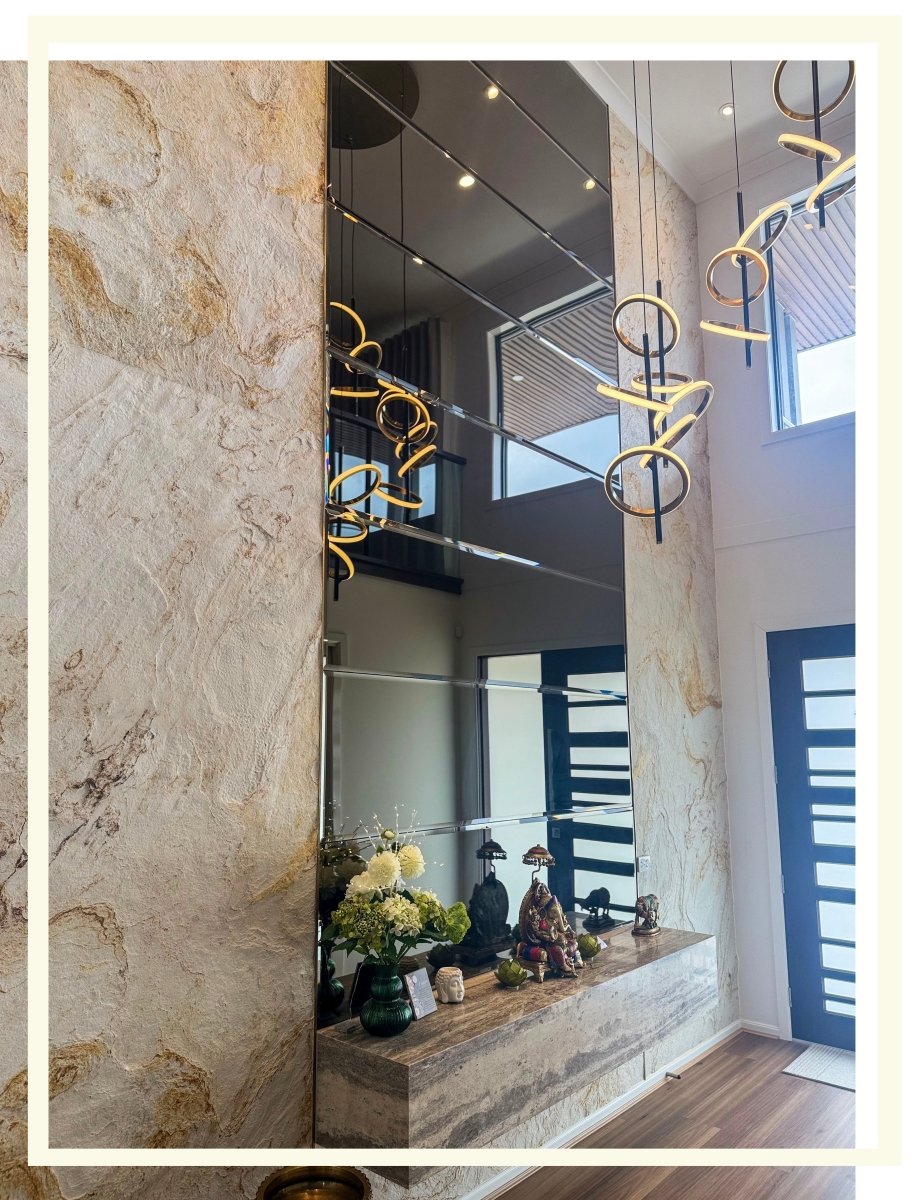
Key Benefits of Stone Cladding for Australian Homes
Stone cladding is a layer of natural stone or stone veneer affixed to the exterior or interior walls of buildings, serving both protective and decorative roles. It enhances curb appeal while defending the structure against weather, wear, and environmental impacts. Stone’s natural aesthetic stands out because each piece is unique in texture and color, lending timeless elegance and character to homes. This variability allows for creative design possibilities, from contemporary sleekness to rustic charm. Durability is a key reason for choosing stone cladding, especially in Australia’s diverse climate. Stone withstands extreme weather conditions such as intense UV rays, heavy rains, and strong winds. It resists fading, warping, and degradation that affect many alternative materials. Stone cladding has also been shown to endure the hot summers and cool winters typical of Australian regions, maintaining its structural integrity without losing its appeal. Another significant benefit is stone’s natural insulation capability. The high thermal mass of stone absorbs heat during the daytime and releases it slowly during cooler periods, helping to regulate indoor temperatures. This thermal regulation improves energy efficiency by reducing the need for artificial heating and cooling, an advantage that is particularly relevant in Australia’s fluctuating temperatures. As a result, homeowners often experience lower energy bills and a more comfortable living environment. Stone cladding requires minimal maintenance compared to other materials. Routine cleaning, such as wiping dust from interior stone walls or gentle washing of exteriors, is usually sufficient to keep its appearance fresh. Proper sealing, done periodically, protects against moisture and preserves the stone's durability and coloration for the long term. Its natural resistance to fire adds a layer of safety—a crucial factor in fire-prone regions of Australia. Homes and buildings clad with stone often have heightened property values, as the premium finish and longevity of stone are highly sought after in real estate markets. Popular stone types used in Australian cladding projects include: Sandstone, favored for its warm tones of brown, cream, and gold, which offer a welcoming natural look. Slate, delivering a modern, textured finish with variations of grey and black. Granite, prized for its robust, speckled surface, known for extreme durability. Limestone, providing soft tones and a smooth texture suitable for subtle, elegant designs. Stone cladding’s versatility makes it suitable for a variety of architectural styles—from traditional homes to contemporary minimalist constructions—accommodating both interior feature walls and full exterior façades. In summary, stone cladding offers Australian homeowners an elegant, durable, and energy-efficient solution that enhances both aesthetics and functionality, making it a smart and lasting investment for any home exterior. This blend of natural beauty, climate resilience, insulation benefits, low upkeep, fire resistance, and property value increase distinctly marks stone cladding as a superior choice for wall finishes in Australia’s challenging environments.
Learn all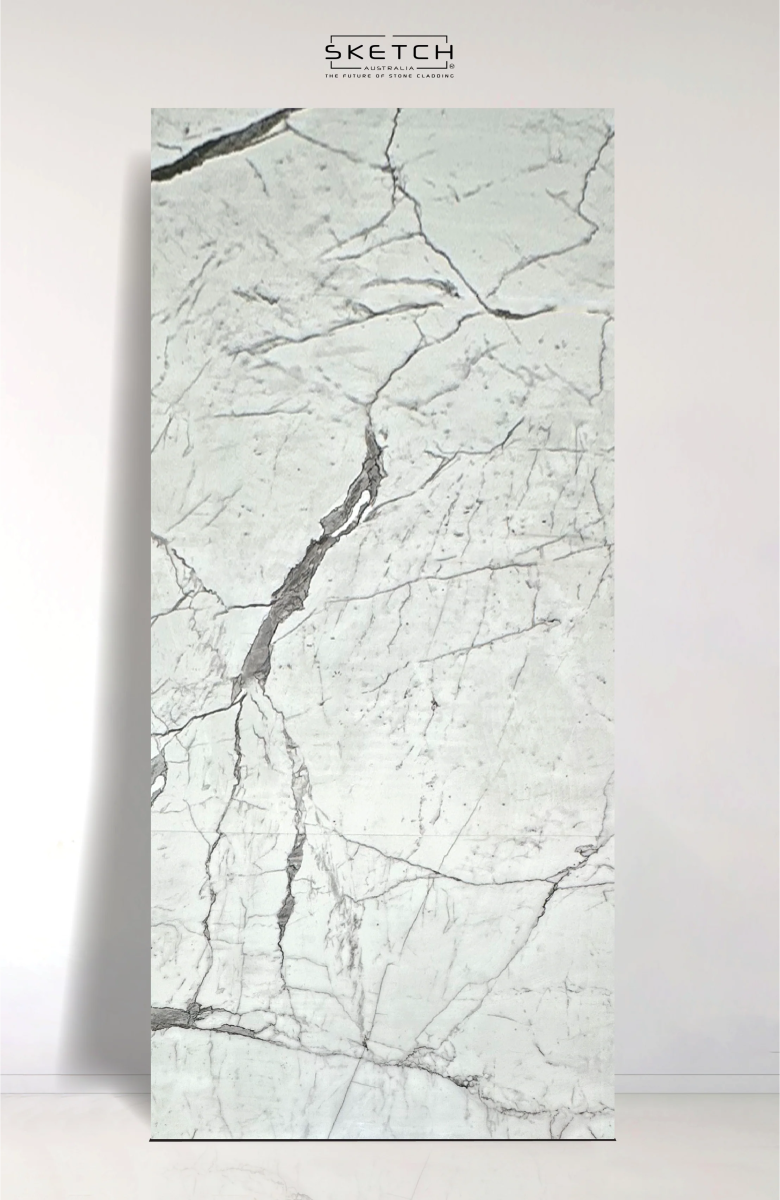
Top Cladding Materials Australians Are Choosing in 2025: Why Stone Cladding Stands Out
Top Cladding Materials Australians Are Choosing in 2025: Why Stone Cladding Stands Out Choosing the right cladding is vital for protecting your home and boosting its look. In 2025, while Australians have many options like fibre cement, timber, brick, and aluminium, stone cladding remains the premier choice for durability, style, and lasting value—especially for those who want a natural, elegant finish. Why Stone Cladding is the Best Choice for Australian Homes Stone cladding, including varieties like sandstone, slate, travertine, and more, offers unmatched strength and natural beauty you just can’t replicate with synthetic materials. Unlike timber or fibre cement, stone withstands Australia’s harshest weather conditions with minimal maintenance and is fire-resistant, making it ideal for both coastal and bushfire-prone regions. At Sketch Australia, we specialize in premium stone cladding solutions that transform your walls and fireplaces into statement features. Our natural stone panels add texture, warmth, and depth that elevate any home’s aesthetic while providing superior protection. Comparison with Other Popular Cladding Materials Fibre Cement: Affordable and versatile, but lacks the authentic look and extreme durability of stone. Timber & Timber-look Composites: Warm and natural but requires frequent maintenance and vulnerability to pests. Brick: Strong and classic but heavier and less flexible in design compared to stone cladding. Aluminium Composite Panels: Sleek and modern but can feel cold and lacks the timeless appeal of natural stone. Benefits of Stone Cladding by Sketch Australia Natural Elegance: Each stone panel is unique, bringing rich textures and colours like warm sandstone or dramatic slate. Extreme Durability: Stone cladding resists cracking, fading, fire, and moisture for decades. Low Maintenance: Easily cleaned with no need for sealing or repainting. Versatile Applications: Perfect for feature walls, external facades, fireplace surrounds, and kitchen wall panels. Increased Property Value: Stone adds undeniable curb appeal and market value. Expert Installation and Custom Solutions Choosing stone cladding is just the start. Proper installation ensures your walls perform long-term, which is why Sketch Australia offers expert advice and professional fitting services tailored to your home’s climate and style. We provide a comprehensive range of natural stone options including travertine wall tiles, marble sheets for walls, and interior stone wall cladding to meet every design vision. Ready to Upgrade Your Home with Stone Cladding? Transform your house with the timeless beauty and unmatched durability of stone cladding from Sketch Australia. Contact us today for a free consultation and discover how our premium stone cladding solutions can bring elegance and lasting protection to your home.
Learn all
Stone Cladding for Fireplace: Stylish and Durable Solutions
Stone Cladding for Fireplace: Stylish and Durable Solutions When it comes to upgrading your fireplace, stone cladding is one of the best choices you can make for both style and durability. At Sketch Australia, we have years of experience providing natural stone cladding options that not only look stunning but also stand the test of time in Australian homes. Experience: Why Stone Cladding Works Perfectly for Fireplaces Fireplaces often face high heat and temperature changes, and regular paint or tiles can falter under these conditions. Stone cladding, such as slate wall panels, travertine, or sandstone wall interior, is naturally heat-resistant and made to last. From personal experience with installations across Melbourne and Perth, choosing stone cladding for fireplaces adds a timeless charm and a cozy, rustic feel to any living space. Customers often tell us how their stone-clad fireplaces become standout features, creating warmth and elegance at the same time. Explanation: Types of Stone Cladding Ideal for Fireplaces Slate Wall Panels: Known for their natural layered texture and rich colors, slate adds a dramatic and earthy look to fireplaces. Travertine and Sandstone: These stones provide warm tones that complement wooden beams and modern interiors alike. Marble Sheets for Walls: For a sleek and luxurious finish, marble sheets create smooth, glossy surfaces that reflect light beautifully around the fireplace. Castellated Cladding: This modern cladding style adds unique textured patterns, perfect for combining contemporary design with natural stone's durability. Using these materials for fireplace cladding ensures your feature wall remains waterproof, easy to clean, and beautifully textured year-round. Tips: How to Choose and Maintain Stone Cladding for Your Fireplace Match Your Style: Whether you prefer the rugged look of slate or the polished elegance of marble, pick stone cladding that fits your home’s design. Ensure Proper Installation: Fireplaces require professional-fit cladding to handle heat safely and avoid any damage; Sketch Australia offers expert installation services. Try Complementary Wall Panels: Consider pairing fireplace cladding with matching interior stone wall cladding or kitchen wall panels for cohesive interior styling. Regular Maintenance: Stone doesn’t need much upkeep but cleaning with mild stone-safe products helps maintain its natural beauty. Why Trust Sketch Australia? With over a decade of experience specializing in stone cladding for fireplaces and interiors, Sketch Australia combines top-quality materials with comprehensive customer support. Our locally sourced stone cladding guarantees compliance with Australian standards for durability and performance. We also provide tailored advice to help you select the best stone panels suited for your climate and home style. Choosing stone cladding for your fireplace is a decision that adds value, style, and longevity to your home. Contact Sketch Australia today to explore our extensive range and get a free consultation with our experts.
Learn all
Blog posts
Blog post
Give your customers a summary of your blog post
Blog post
Give your customers a summary of your blog post
Blog post
Give your customers a summary of your blog post