

Ideas & Guides
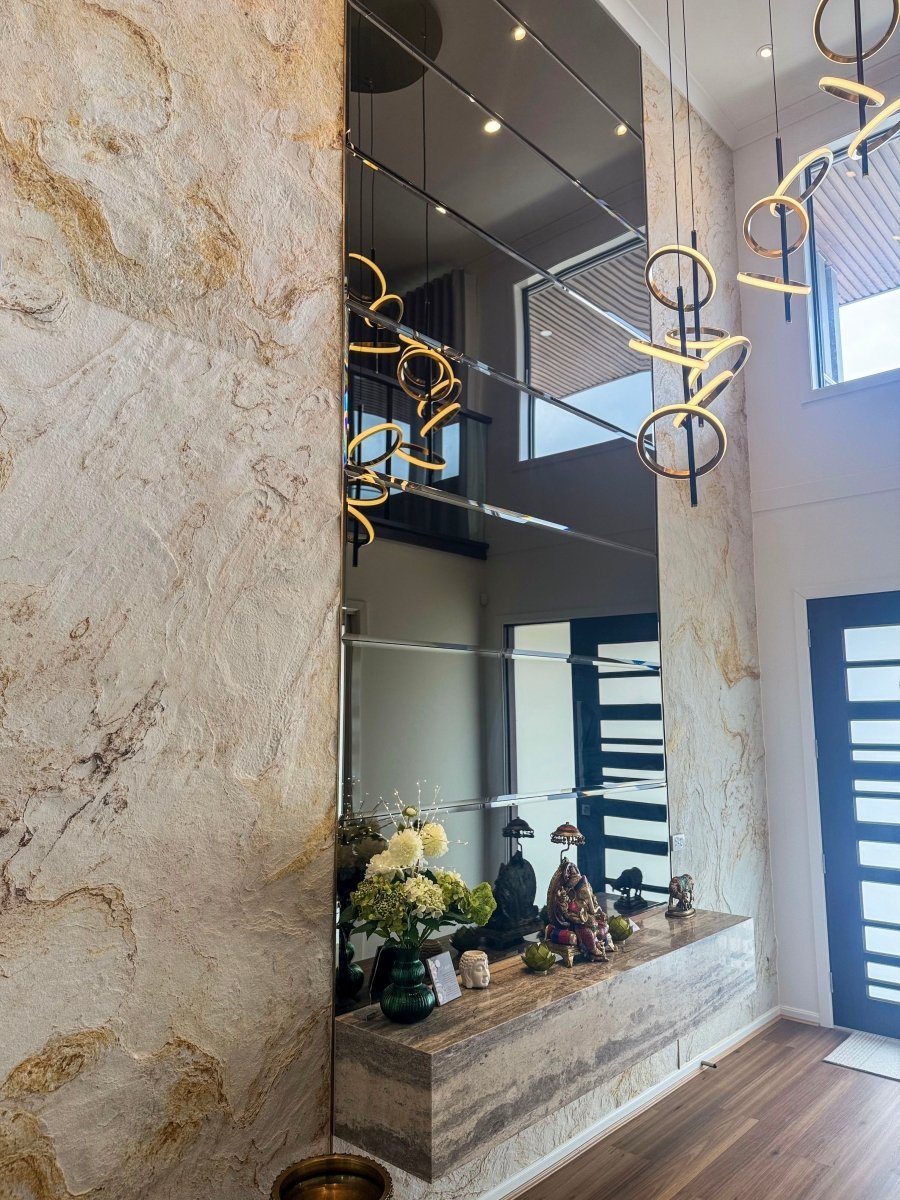

Stone Cladding vs Traditional Wall Finishes: What’s Best for Australian Homes?
When building or renovating in Australia, choosing the right wall finish is a big decision. While paint, tiles, and timber cladding remain popular, more homeowners are now turning to stone cladding for its durability, luxury feel, and long-term value. So how does stone cladding compare to traditional wall finishes? Let’s break it down clearly so you can decide what truly works best for your home. First Impressions Matter Traditional finishes like paint or timber look good initially, but over time they fade, crack, and require constant maintenance. Stone cladding, on the other hand, retains its appearance for decades. A stone-clad façade instantly creates a premium first impression—something buyers notice before they even step inside. Durability in Harsh Australian Conditions Australian homes face intense sunlight, coastal salt, heavy rain, and dust. Paint peels, timber warps, and tiles loosen. Stone cladding: Resists UV damage Handles moisture without swelling Doesn’t rot or attract termites This makes it ideal for both interior and exterior walls. Maintenance Comparison Finish Type Maintenance Level Paint High – repaint every few years Timber Cladding High – sealing and termite treatment Tiles Medium – grout cleaning and repairs Stone Cladding Low – occasional wash and sealing Stone cladding clearly wins in the long run. Design Flexibility Traditional wall finishes often look flat. Stone cladding adds natural depth and texture. With modern options such as: Flexible stone Marble and slate panels Liquid rust finishes Carbon Crystal Boards Australian homeowners can match any design style—from industrial to coastal luxury. Energy Efficiency Benefits Stone naturally improves thermal performance by stabilising indoor temperatures. This means: Cooler interiors in summer Better heat retention in winter Reduced energy costs Paint and timber don’t offer the same insulation benefits. Installation: Then vs Now In the past, stone was heavy and expensive to install. Today, innovations like peel-and-stick stone, flexible tiles, and lightweight CCB panels make stone cladding installation faster and more affordable than ever. Cost: Short-Term vs Long-Term While stone cladding may cost slightly more upfront, it saves money over time by reducing: Repainting Repairs Replacement of damaged finishes It also adds resale value—something traditional wall finishes can’t compete with. Conclusion For Australian homes, stone cladding outperforms traditional wall finishes in durability, appearance, maintenance, and long-term value. Whether it’s a full façade or a simple feature wall, stone delivers results that paint, timber, and tiles simply can’t match. If you’re choosing between stone cladding and traditional finishes, the answer is clear—stone is the smarter investment. FAQs 1. Is stone cladding more expensive than paint?Initially yes, but stone saves money long-term due to minimal maintenance. 2. Can stone cladding be installed over existing walls?Yes, most modern stone panels are designed for retrofit projects. 3. Does stone cladding suit modern homes?Absolutely. Flexible stone, marble panels, and concrete finishes are perfect for contemporary designs. 4. How long does stone cladding last?With proper care, it can last over 30 years. 5. Can stone cladding be used indoors?Yes, it’s ideal for feature walls, kitchens, bedrooms, and living areas.
Learn all
How Stone Cladding Increases the Value of Australian Residential Properties
In the competitive Australian real estate market, homeowners are always looking for smart upgrades that increase property value. One of the most powerful yet often overlooked improvements is stone cladding. Whether it’s a luxury marble feature wall, a modern concrete façade, or stylish flexible stone panels, stone cladding transforms ordinary homes into premium properties. Let’s explore how stone cladding directly impacts property value and why more Australians are investing in it. First Impressions Sell Homes The exterior of your home is the first thing buyers notice. A façade finished with natural stone cladding immediately creates a sense of quality and permanence. Slate, sandstone, and concrete finishes elevate curb appeal, helping homes stand out in crowded listings. Homes with stone-clad exteriors typically attract: Higher buyer interest Faster sale times Better perceived value Luxury Interiors That Feel Premium Stone cladding isn’t only for exteriors. Interior feature walls using marble, flexible stone, or Carbon Crystal Boards make spaces feel architecturally designed. Buyers often associate stone interiors with: High construction quality Luxury lifestyle Low future maintenance This perception alone can add thousands of dollars to a home’s resale price. Durability That Buyers Trust Australian buyers look for homes that require minimal repairs. Stone cladding panels resist cracking, fading, termites, moisture, and UV exposure. Compared to painted walls or timber cladding, stone lasts significantly longer, reducing long-term maintenance costs for the next owner. Energy Efficiency Improves Home Performance Stone naturally helps regulate temperature by providing thermal mass. This results in: Cooler interiors in summer Better heat retention in winter Lower energy costs Homes with better insulation performance are more attractive to eco-conscious buyers. Modern Finishes Increase Market Appeal Using innovative finishes such as: Liquid Rust Translucent stone Marble CCB Mirror and Wooden CCB panels creates unique interiors that feel custom-designed rather than mass-built. Stone Doors Create Design Statements Sketch Australia’s stone-finished doors are a growing trend in premium homes. Barn doors, slate doors, marble doors, and liquid rust doors are no longer just functional—they are luxury features that add strong visual identity to a home. Stone Cladding Is a Smart Renovation Investment Unlike kitchens or bathrooms that require full renovations, stone cladding offers a high-impact upgrade with lower disruption. A single feature wall or façade upgrade can: Modernise outdated homes Add designer appeal Justify higher asking prices Conclusion Stone cladding is more than an aesthetic upgrade—it’s a strategic property investment. In Australia’s competitive real estate market, homes that feature premium stone finishes consistently outperform standard builds in buyer interest and sale value. Whether it’s flexible stone, marble panels, concrete finishes, Carbon Crystal Boards, or stone-clad doors, integrating stone into residential design is one of the smartest ways to increase property value. FAQs 1. Does stone cladding really increase home value?Yes, homes with stone finishes are perceived as higher quality and often sell for more. 2. Is stone cladding expensive to install?Modern products like flexible stone and CCB panels significantly reduce installation costs. 3. Can I add stone cladding to an existing home?Absolutely. Stone cladding is perfect for renovations and feature wall upgrades. 4. Which stone type adds the most value?Marble, slate, sandstone, and modern concrete finishes all deliver strong resale appeal. 5. Is stone cladding suitable for all Australian climates?Yes, stone performs well in coastal, urban, and rural environments across Australia.
Learn all
Best Places to Purchase Natural Stone Cladding Panels in Australia
Natural stone cladding panels are one of the most effective ways to upgrade the look and durability of Australian homes. Whether you’re working on a new build or refreshing an existing property, stone cladding adds texture, character, and long-term value. But the real challenge is not choosing the design—it’s knowing where to buy reliable, high-quality natural stone cladding panels in Australia. This guide walks you through the best buying options, what to look for in a supplier, and how to make sure you invest in stone that truly lasts. Why Australians Are Choosing Natural Stone Cladding Panels Australian homeowners are moving away from flat paint and basic renders. Natural stone is now preferred for both interiors and exteriors because it offers: Long-lasting strength High resistance to sun, rain, and moisture A premium architectural finish Minimal maintenance over time From luxury homes to modern townhouses, stone cladding panels are becoming a standard feature. What to Look for When Buying Stone Cladding Panels Before you decide where to buy, make sure the supplier can provide the following: 1. Authentic Natural Stone Some sellers offer imitation stone. Always confirm that the panels are made from genuine stone layers. 2. Range of Stone Types A quality supplier should stock multiple finishes such as marble, slate, sandstone, concrete-style stone, and modern flexible stones. 3. Consistent Panel Thickness Uneven stone thickness makes installation difficult and leads to poor final results. 4. Nationwide Delivery For Australian buyers, reliable shipping across states is essential, especially for bulky stone products. Top Options for Buying Natural Stone Cladding Panels in Australia Sketch Australia – One-Stop Destination for Stone Cladding Sketch Australia is one of the most trusted suppliers of natural stone cladding panels in Australia. They offer an extensive selection that covers both traditional stone and innovative modern materials, including: Flexible stone panels Natural slate cladding Marble stone panels Sandstone cladding Liquid rust finishes Concrete stone panels Peel and stick stone solutions Translucent stone Carbon Crystal Boards in marble, mirror, wood, and fabric textures Stone-clad barn doors and interior doors Their product range allows homeowners to source everything from feature walls to statement doors from one supplier. Local Stone Yards and Showrooms Many Australian cities have stone yards that sell natural stone cladding. These suppliers are ideal if you want to: View the stone physically before buying Compare finishes side by side Discuss installation advice in person However, their range may be limited compared to specialised online suppliers. Specialist Architectural Stone Retailers These retailers focus on premium and imported stone. They are perfect for custom homes and designer projects where rare stone finishes or unique textures are required. Online Stone Suppliers Online suppliers offer convenience and access to broader selections. You can browse collections, order samples, and compare pricing easily, but always confirm return policies and delivery insurance. Comparing Suppliers: How to Choose the Best One When deciding where to buy natural stone cladding panels in Australia, compare suppliers based on: Product variety Stone authenticity Installation support Warranty or replacement policy Delivery coverage Suppliers like Sketch Australia stand out because they combine modern stone technology with reliable service. DIY vs Professional Installation If you’re buying peel-and-stick or flexible stone panels, installation is DIY-friendly. For full façade stone cladding or heavy panels, professional installation ensures safety and long-term durability. Why Quality Matters More Than Price Cheap stone often leads to: Cracking Colour fading Uneven panel thickness Poor adhesion Investing in premium stone cladding panels from a trusted supplier saves money in the long run. Conclusion If you’re wondering where to buy natural stone cladding panels in Australia, your best choices include reputable suppliers like Sketch Australia, local stone yards, and specialist architectural retailers. Choosing the right supplier ensures you receive authentic stone, consistent quality, and the support you need for a successful project. Whether you’re upgrading a single wall or building your dream home, high-quality stone cladding will always be a smart investment. FAQs 1. Can I order stone cladding panels online in Australia?Yes, many suppliers including Sketch Australia offer nationwide delivery. 2. What stone type is best for Australian exteriors?Slate, sandstone, and concrete stone panels perform very well outdoors. 3. Are stone cladding panels heavy?Traditional stone can be heavy, but modern flexible stone and CCB panels are lightweight. 4. How long does natural stone cladding last?With proper care, it can last over 30 years. 5. Can I use stone cladding in bathrooms and kitchens?Yes, stone cladding is ideal for moisture-resistant interior spaces when sealed correctly.
Learn all
Where to Buy Natural Stone Cladding Panels in Australia (2026 Guide)
Introduction Natural stone cladding panels offer timeless elegance and lasting strength, making them a preferred choice for both residential and commercial projects. As more Australians embrace stone finishes for interiors and exteriors, knowing where to buy quality panels becomes important. With a range of suppliers offering different stone types, it’s key to select a trusted source that provides excellent product quality, reliable service, and great value. Whether you’re based in Sydney, Melbourne, Brisbane, Perth, or anywhere in Australia, this article will help you find the perfect place to buy stone cladding panels for your next project. Why Natural Stone Cladding Panels Are Popular Durability Natural stone is known for its robustness. It withstands weather, UV exposure, and physical wear far better than many synthetic finishes, making it ideal for long-term residential use. Aesthetics Stone cladding brings a unique pattern and texture that can’t be replicated by paint or tiles. Whether you choose slate, sandstone, or marble, each panel adds depth and character. Low Maintenance Stone cladding panels require minimal upkeep—just occasional cleaning and sealing—so they stay attractive for years. What to Consider When Buying Stone Cladding Panels Before purchasing natural stone cladding panels, think about the following: Material Type Different stone types offer varying looks and performance characteristics: Slate for rugged texture Sandstone for warm earthy tones Marble for luxury interiors Quality and Finish Look for consistent thickness, strong adhesion, and fine surface finishing when choosing panels. Price and Budget Stone cladding prices vary based on material rarity, size, and finish. Plan your budget but avoid compromising quality for cost. Supplier Reputation Working with reputable suppliers ensures better quality, customer support, and delivery services. Top Places to Buy Natural Stone Cladding Panels in Australia 1. Sketch Australia – Premium Stone Cladding Panels Sketch Australia is a leading supplier of natural stone and innovative cladding options across the country. They offer a wide range of products, including: Sketch Flexible Stones – lightweight, modern stone finish Slates – classic textured panels Marbles – elegant, timeless stone finishes Sandstone – warm and natural aesthetic They also provide other stone panel options and accessories that allow homeowners to choose the perfect stone look for every space. Sketch Australia’s national delivery and professional support make them an excellent go-to choice for quality stone cladding panels in Australia. 2. Local Stone Merchants and Quarries Many Australian cities have local stone suppliers and quarries that stock natural stone panels. These businesses often provide: Custom stone cutting On-site consultations A variety of stone types including granite, limestone, and slate Visiting a local supplier allows you to see and feel the stone before purchasing. 3. Building and Construction Supply Stores Big building supply stores may carry selected stone cladding panels. While their range might be smaller than specialty suppliers, you can still find reliable stone options with the benefit of: Easy returns Physical store locations Bulk ordering for contractors Examples include national and regional building supply chains across Australia. 4. Online Marketplaces Online retailers and marketplaces give you access to a wider selection of stone cladding panels. You can compare prices, read reviews, and choose from multiple sellers. However, always check delivery costs and return policies when ordering stone online. 5. Specialty Stone Retailers There are boutique stone retailers in major cities that focus on stone for architectural use. These suppliers often specialize in: Imported stone varieties Custom cut panels Unique finishes like translucent stone They offer high-end choices, perfect for custom or luxury projects. Benefits of Buying from a Trusted Supplier Selecting a reputable supplier ensures you receive: Authentic natural stone Quality assurance Delivery support Expert advice on installation and maintenance Working with trusted brands like Sketch Australia reduces the risk of buying inferior products that could deteriorate quickly. How to Compare Different Suppliers When comparing stone suppliers: Ask for samples Check customer reviews Compare warranties Evaluate shipping and delivery options Confirm after-sales support Choosing a supplier with transparent policies and excellent service makes the project smoother and more satisfying. DIY vs Professional Purchase and Installation If you’re doing a small project, peel-and-stick stone panels or flexible stones can be a DIY-friendly option. For larger façades or complex installations, professional help ensures correct installation and long-lasting results. Conclusion Finding the right place to buy natural stone cladding panels in Australia doesn’t have to be overwhelming. Whether you choose a trusted supplier like Sketch Australia, visit a local stone merchant, or explore specialty retailers, there are multiple options available to suit your style and budget. By considering material type, quality, and supplier reputation, you can confidently source stone panels that elevate your residential project with lasting beauty and performance. FAQs Q1: Where is the best place to buy stone cladding panels in Australia?Trusted suppliers like Sketch Australia offer quality products nationwide. Q2: Can I see stone samples before purchasing?Many suppliers and local merchants provide samples to review finishes and textures. Q3: Are natural stone cladding panels suitable for interiors?Yes—stone panels are great for interior feature walls, fireplaces, and accent areas. Q4: Do I need a professional to install stone cladding?Small panels can be DIY, but large or heavy cladding often requires professional installation. Q5: How long does natural stone cladding last?With proper care, high-quality stone cladding can last for decades.
Learn all
Interior and Exterior Stone Cladding Solutions for Australian Homes (2026 Guide)
Stone cladding has evolved into one of the most versatile architectural finishes in Australia. No longer limited to exterior façades, it is now widely used across interiors, feature walls, doors, and even creative architectural elements. Modern homeowners are choosing stone not just for durability, but for its ability to create seamless, luxury design continuity across the entire home. This guide explores the best interior and exterior stone cladding solutions for Australian homes and how to choose the right material for each application. Exterior Stone Cladding That Withstands Australian Conditions Australia’s climate demands building materials that can handle heat, UV exposure, and moisture. Exterior stone cladding is designed for exactly that. Popular exterior options include: Slate stone panels Sandstone cladding Flexible stone sheets Concrete stone panels These materials are widely used for: Home façades Boundary walls Outdoor entertainment areas Architectural feature exteriors They are highly resistant to fading, cracking, and weather damage, making them ideal for long-term performance. Interior Stone Cladding for Luxury Feature Walls Interior stone cladding is one of the fastest-growing design trends in Australian homes. It is commonly used in: Living rooms Bedrooms Dining areas Entryways Popular materials include: Marble panels for luxury interiors Liquid rust finishes for industrial design Translucent stone for backlit feature walls Carbon crystal boards for modern aesthetics These materials create depth, texture, and a premium architectural feel without overwhelming interior spaces. Peel and Stick Stone Panels for Easy Renovation Peel and stick stone cladding has become popular for DIY renovations and quick upgrades. Key benefits: Easy installation without heavy tools Budget-friendly renovation option Ideal for rental properties Instant visual transformation These panels are especially effective for small feature walls, kitchens, and accent spaces. Translucent Stone for High-End Lighting Effects Translucent stone is one of the most premium architectural finishes available today. It allows light to pass through the stone, creating: Backlit feature walls Luxury bar designs Hotel-style interiors Statement entertainment spaces This material is often used in high-end residential and commercial projects. Flexible Stone Panels for Creative Design Freedom Flexible stone panels are revolutionising modern construction in Australia. They can be applied to: Curved walls Columns Custom furniture surfaces Complex architectural shapes Benefits include: Lightweight design Easy installation Real natural stone surface High design flexibility Stone Doors for Modern Architectural Design Stone-clad doors are becoming a bold design feature in luxury Australian homes. Common finishes include: Marble stone doors Slate-textured doors Liquid rust metal-stone hybrids They combine durability with high visual impact, creating a strong architectural statement. Why Choose Sketch Australia Stone Solutions Australian homeowners and builders often chooseSketch Australia because of its wide product range and modern architectural solutions. Their offerings include: Flexible stone systems Natural slate and sandstone panels Marble and premium finishes Lightweight decorative cladding systems These solutions are designed for both residential and commercial applications across Australia. Final Thoughts Interior and exterior stone cladding is redefining modern Australian architecture. Whether you are renovating a single room or designing an entire façade, stone provides unmatched durability and aesthetic value. With modern innovations like flexible stone, translucent panels, and peel-and-stick systems, achieving a luxury architectural finish has never been easier.
Learn all
Modern Stone Cladding Ideas for Australian Residential Homes (2026 Guide)
Stone cladding has become one of the most influential design elements in modern Australian residential architecture. It is no longer just a structural material—it is now a key design feature that defines luxury, texture, and personality in homes. From minimalist interiors to bold architectural façades, modern stone cladding solutions offer endless creative possibilities for homeowners and designers across Australia. Why Stone Cladding Works for Modern Australian Homes Australian homes require materials that are both visually striking and highly durable. Stone cladding delivers: Strong resistance to harsh weather conditions Long-lasting colour and texture stability Low maintenance requirements Premium architectural appeal Compatibility with modern design styles It works equally well in coastal homes, urban residences, and countryside properties. Flexible Stone Cladding for Modern Interiors Flexible stone panels are transforming interior design in Australia. These lightweight systems are ideal for: Apartment feature walls Staircase cladding TV wall backdrops Curved architectural surfaces They offer the look of real stone without the weight or installation limitations of traditional masonry. Slate Cladding for Bold Exterior Designs Slate remains one of the most popular choices for modern Australian façades. Its benefits include: Deep natural colour variations Strong textured surface High durability for outdoor conditions Slate is commonly used on: Exterior feature walls Boundary walls Entry façades Marble Stone Cladding for Luxury Interiors Marble cladding is the go-to choice for high-end residential interiors. It creates: Elegant living rooms Premium bathrooms Sophisticated bedroom feature walls Marble pairs beautifully with timber, glass, and soft lighting to create a refined atmosphere. Sandstone Cladding for Natural Australian Aesthetics Sandstone blends perfectly with Australia’s natural environment. It is ideal for: Coastal homes Garden walls Outdoor entertainment areas Its warm tones create a seamless connection between architecture and landscape. Industrial Design with Liquid Rust & Concrete Finishes Modern homeowners are embracing industrial-style stone finishes. Liquid rust and concrete-style panels are used for: Bold entry walls Modern kitchen features Statement architectural elements These finishes create a raw yet premium aesthetic. Carbon Crystal Boards for Contemporary Interiors Carbon Crystal Boards (CCB) are becoming a standout feature in modern homes. They come in several styles: Marble CCB for luxury interiors Mirror CCB for space expansion Wood CCB for warm textures Fabric CCB for soft design effects They are lightweight, durable, and visually striking. Stone-Clad Doors as Architectural Statements Modern design now extends stone finishes beyond walls. Stone-clad doors include: Marble doors Slate feature doors Liquid rust doors Barn-style stone doors These create a seamless architectural flow across the home. Why Choose Sketch Australia Many Australian homeowners and builders chooseSketch Australia for modern stone cladding solutions because of their innovation and product variety. Their range includes: Flexible stone systems Slate and sandstone panels Marble finishes Carbon crystal boards Decorative architectural panels These solutions are designed for both residential and commercial applications. Final Thoughts Modern stone cladding is redefining residential architecture in Australia. It allows homeowners to achieve high-end architectural designs with materials that are durable, versatile, and visually timeless. With innovative solutions now available, creating a luxury modern home has never been easier.
Learn all
Choosing the Right Stone Cladding for Modern Australian Homes (2026 Guide)
Introduction Stone cladding for modern Australian homes has become one of the most powerful ways to combine durability with high-end design. Whether you’re building a new home, upgrading your façade, or creating a standout interior feature wall, the right stone cladding can completely transform your space. Today, homeowners are no longer limited to heavy traditional stone. With innovative solutions like flexible stone panels, lightweight veneers, and advanced wall systems, achieving a premium architectural look is easier, faster, and more cost-effective than ever. In this guide, we break down everything you need to know to choose the best stone cladding for your Australian home—based on style, performance, and application. Why Stone Cladding Is Ideal for Australian Homes Australian homes face harsh environmental conditions, making material choice critical. Built for Tough Conditions Resistant to UV exposure, heat, and moisture Performs well in coastal and urban environments Long-lasting with minimal wear Timeless Aesthetic Appeal Natural textures and unique patterns Works across modern, coastal, and classic designs Enhances both interiors and exteriors Increases Property Value Premium finish attracts buyers Adds architectural depth and character Long-term investment with strong ROI Key Factors to Consider Before Choosing Stone Cladding 1. Application Area Exterior façade Interior feature wall Bathroom or wet area Fireplace or entertainment zone Each space requires different durability and finish. 2. Weight & Installation Traditional stone is heavy and labour-intensive Modern panels are lightweight and easier to install DIY-friendly options now available 3. Maintenance Requirements Natural stone may require sealing Engineered panels offer low maintenance Choose based on lifestyle and usage Best Stone Cladding Options for Australian Homes Flexible Stone Panels – Lightweight & Versatile Flexible stone panels are one of the most advanced cladding solutions available. Why choose them: Real natural stone surface Ultra-lightweight (ideal for apartments) Suitable for curved and uneven walls Easy installation on plasterboard, timber, or concrete Best for: feature walls, columns, staircases, and renovations Slate Stone Cladding – Textured & Durable Slate is a classic choice for Australian homes. Benefits: Strong and weather-resistant Deep, natural textures Ideal for outdoor applications Best for: façades, garden walls, fireplaces Marble Stone Cladding – Luxury Interiors Marble adds sophistication to any interior space. Key features: Elegant veining patterns Brightens interiors High-end visual appeal Best for: living rooms, bedrooms, bathrooms Sandstone Cladding – Natural Australian Look Sandstone blends perfectly with Australian landscapes. Advantages: Warm, earthy tones Excellent heat resistance Works well in coastal areas Best for: outdoor walls, patios, pool areas Concrete Panels – Modern Minimalism Concrete cladding delivers a clean, architectural finish. Why it works: Sleek, modern appearance Highly durable Complements glass and timber Best for: contemporary façades and interiors Liquid Rust Panels – Industrial Style Liquid rust finishes create bold statement walls. Highlights: Unique weathered look Artistic, industrial feel No corrosion issues Best for: feature walls, entryways, designer interiors Carbon Crystal Boards (CCB) – Next-Gen Cladding A modern alternative to traditional materials. Types include: Marble CCB – luxury look Mirror CCB – space-enhancing Wooden CCB – warm aesthetic Fabric CCB – soft texture Best for: low-maintenance interiors Peel and Stick Stone Panels – DIY Friendly Perfect for quick upgrades. Benefits: Easy installation No heavy tools required Budget-friendly Best for: rentals, small projects, quick renovations Translucent Stone Panels – Premium Design Feature These panels allow light to pass through for dramatic effects. Best uses: Backlit walls Bars and entertainment areas Luxury interiors Interior vs Exterior Stone Cladding Best for Exteriors Slate Sandstone Concrete Flexible stone Best for Interiors Marble Liquid rust Carbon Crystal Boards Translucent stone Choosing the right material ensures durability and visual harmony. Maintenance Tips for Long-Lasting Results Clean regularly with mild cleaners Avoid abrasive tools Seal natural stone where required Fix minor damages early Proper maintenance keeps your cladding looking premium for decades. Why Choose Sketch Australia for Stone Cladding Sketch Australia is a leading supplier of modern stone cladding solutions across Australia. What sets them apart: Wide range of premium materials Lightweight and innovative products Fast nationwide delivery Expert guidance and support From flexible stone panels to advanced wall systems, Sketch makes it easy to achieve designer results without complexity. Conclusion Choosing the right stone cladding for modern Australian homes is about balancing style, performance, and practicality. With today’s advanced materials, you can achieve the beauty of natural stone without the weight, cost, or installation challenges of traditional methods. Whether you're designing a feature wall, upgrading your façade, or transforming interiors, the right stone cladding solution will elevate your home for years to come. FAQs 1. What is the best stone cladding for modern homes?Flexible stone, marble panels, and concrete cladding are top choices. 2. Is stone cladding suitable for interiors?Yes, it’s widely used for feature walls, bedrooms, and living areas. 3. Are flexible stone panels real stone?Yes, they use a thin layer of natural stone with a flexible backing. 4. Is stone cladding expensive?Costs vary, but lightweight panels are more affordable than traditional stone. 5. Can I install stone cladding myself?Yes, many modern panels are DIY-friendly.
Learn all
Best Types of Stone Cladding for Residential Projects in Australia (2026 Guide)
Best Types of Stone Cladding for Residential Projects in Australia (2026 Guide) When it comes to residential projects in Australia, choosing the right stone cladding can transform a home from ordinary to extraordinary. Stone cladding not only enhances the aesthetic appeal but also provides durability, insulation, and timeless charm. At Sketch Australia, a wide array of stone cladding products ensures homeowners have versatile options to suit every style and requirement. Let’s explore the best types of stone cladding for residential projects. Introduction Stone cladding has become a go-to choice for residential projects in Australia. Its natural elegance, combined with durability, makes it ideal for both modern and traditional homes. Whether you are renovating your facade, adding a feature wall, or upgrading your interior, stone cladding offers endless possibilities. Sketch Australia brings a premium selection of stone products to help you achieve that perfect blend of style and function. Why Stone Cladding is Popular in Australia Durability and Longevity Australian homes face a range of weather conditions—from coastal humidity to harsh sun exposure. Stone cladding is incredibly durable, resistant to wear and tear, and can last decades without losing its charm. Aesthetic Appeal Nothing beats the natural elegance of stone. From sleek marbles to rugged slates, stone cladding adds a unique texture and character to any space. It instantly elevates both interior and exterior designs. Low Maintenance Unlike painted surfaces or timber, stone requires minimal upkeep. A simple wash and occasional sealing are enough to keep it looking pristine for years. Factors to Consider Before Choosing Stone Cladding Climate and Weather Conditions Different stones react differently to weather. For example, sandstones are excellent for coastal areas, while concrete and flexible stones handle urban climates well. Home Architecture Your home’s style should guide your stone choice. Modern homes often pair well with sleek marbles and concrete, whereas traditional homes shine with slates and sandstones. Budget and Installation Costs Stone cladding varies widely in price. While premium options like marble or translucent stones offer luxury, peel-and-stick or flexible stones provide cost-effective alternatives. Sketch Australia Stone Cladding Products Sketch Flexible Stones Features and Benefits Lightweight and easy to install Perfect for DIY projects or challenging surfaces Offers a natural stone appearance without structural weight Slates Features and Benefits Durable and weather-resistant Offers rich earthy tones for traditional and modern designs Ideal for outdoor walls and garden features Marbles Features and Benefits Elegant and luxurious finish Smooth surface perfect for indoor walls and feature areas Wide variety of colours and patterns Sandstone Features and Benefits Classic look for both interiors and exteriors Highly durable and versatile Adds warmth and texture to facades Liquid Rust Features and Benefits Unique industrial aesthetic Can be used for walls, doors, and feature panels Perfect for bold statement designs Concrete Features and Benefits Modern, minimalist appearance Extremely durable and low-maintenance Can be customised with colours and textures Peel and Stick Features and Benefits Fast and easy DIY installation No need for professional assistance Affordable solution for interior accent walls Translucent Stones Features and Benefits Allows light to pass through, creating a glowing effect Ideal for feature walls or backlit designs Adds a modern and sophisticated touch Carbon Crystal Boards (CCB) Marble CCB – Luxurious marble finish with lightweight installation Mirror CCB – Reflective surface to enhance space perception Wooden CCB – Combines natural wood texture with stone durability Fabric CCB – Textured finish for unique tactile and visual appeal Doors with Stone Cladding Sketch Barn Doors Rustic charm and sturdy construction Slate Doors Classic look with durability Marble Doors Luxurious finish for modern interiors Liquid Rust Doors Bold, industrial statement pieces Flexible Tiles Perfect for uneven surfaces Easy to install and maintain Variety of textures and colours for custom designs Benefits of Using Stone Cladding in Residential Projects Energy Efficiency Stone naturally regulates indoor temperatures, reducing heating and cooling costs. Increased Property Value Premium stone cladding can significantly enhance a home’s resale value. Enhanced Outdoor and Indoor Spaces Stone creates a sense of luxury and permanence in patios, living rooms, kitchens, and facades. Tips for Maintaining Stone Cladding Regular Cleaning Dust, dirt, and stains should be cleaned with gentle brushes and pH-neutral cleaners. Sealing and Protection Applying a sealant prevents water absorption and preserves colour. Repair and Replacement Small chips or cracks should be addressed promptly to maintain longevity. Conclusion Stone cladding is a smart investment for Australian homeowners seeking beauty, durability, and style. Sketch Australia’s range—from flexible stones to luxurious marble CCBs—offers solutions for every design vision. Whether it’s a bold exterior facade, a stylish feature wall, or an elegant door, stone cladding elevates your home with timeless charm and lasting value. FAQs Q1: Which stone is best for coastal Australian homes?Sandstone and slates are highly durable and resistant to coastal weather conditions. Q2: Can I install flexible stones myself?Yes! Flexible stones are lightweight and designed for easy DIY installation. Q3: How often should stone cladding be sealed?Sealing should be done every 2–3 years, depending on exposure and usage. Q4: Are carbon crystal boards suitable for outdoor use?Some CCBs like marble and wooden boards are suitable for outdoor applications; always check product specifications. Q5: Which stone is best for creating a modern interior feature wall?Marble, concrete, and translucent stones are excellent choices for modern, stylish interiors. Please don’t forget to leave a review.
Learn all
How Stone Cladding Transforms Modern Interiors with Premium Wall Panels & Stone Veneer
Introduction As architecture and interior design continue to evolve, the demand for materials that combine natural beauty, modern convenience, and long-lasting durability has never been higher. This shift has led to the rapid rise of sketch wall panels, sketch cladding, and sketch stone veneer—lightweight natural stone surfaces ideal for contemporary projects. Among the many options available today, Stone Cladding stands out as a premium solution that delivers unmatched style and practical benefits. In this article, we explore why Sketch Stone Cladding has become one of the most innovative materials in the design industry, how it enhances spaces through natural textures and flexibility, and why sketch panels are widely preferred in Australia, Sri Lanka, and global markets. The New Era of Stone: Why Sketch Wall Panels Are Taking Over Traditional stone has long been admired for its elegance and strength. However, it comes with challenges such as heavy weight, high installation costs, and limitations in design flexibility. To overcome these barriers, the industry shifted towards sketch panels—an ultra-thin, flexible, and lightweight version of natural stone. What Makes Sketch Panels So Popular? Sketch wall panels offer a perfect blend of convenience and beauty: Ultra-thin (1–2mm), making them easy to transport Lightweight, reducing load on walls and structures Flexible, suitable even for curved surfaces Cost-effective, requiring less labour and equipment Real stone texture, preserving natural authenticity Perfect for backlighting, thanks to high translucency Fast installation, ideal for commercial timelines Their natural stone finish, combined with modern adaptability, makes sketch cladding a top choice for designers, developers, architects, and homeowners. Stone Cladding – A Premium Surface for Modern Design Stone Cladding is a versatile sketch stone veneer crafted with natural stone layers, offering the organic texture and earthy tones designers love. Its surface features warm, sophisticated colours that complement contemporary interiors and exteriors with ease. Key Qualities of Stone Cladding 1. Natural Stone Beauty with Modern Performance Stone Cladding delivers the visual richness of real stone—textures, layers, and patterns—without the heavyweight bulk of traditional slabs. It works beautifully for: Feature walls Retail environments Residential interiors Luxury hospitality spaces Commercial receptions Outdoor façades The natural grain and warm hues create a premium, inviting atmosphere. 2. Ideal for Backlit Designs Many sketch stone Australia designers prefer for illuminated installations. When backlit, the natural surface diffuses light softly, enhancing the tones and creating a warm visual glow. This makes it ideal for: Backlit wall features Bars and counters Partition lighting Vertical light panels Feature columns 3. Versatile Applications Indoors & Outdoors Whether you're designing a home, office, hotel, or storefront, SK350 adapts easily. It can be used as: Sketch stone cladding for exterior walls Sketch wall panels for interior surfaces Sketch stone veneer for furniture Sketch panels for ceilings Feature installations in commercial spaces SK350 is one of the most adaptable stone materials available today. 4. Lightweight & Easy to Install Because Sketch Stone Cladding is extremely light, it reduces installation time by more than 70% compared to traditional stone. This makes it ideal for: Renovations High-rise construction Tight project deadlines Interior remodeling Modern architectural designs Its thin profile allows it to be installed over existing surfaces without major structural changes. Why Sketch Cladding Is Changing the Construction Landscape Stone Cladding SK350 is part of a global movement towards smarter, sustainable material choices. As developers look for efficient and eco-friendly alternatives, sketch cladding stands out. 1. Sustainable Material Choice Sketch panels use only a thin layer of natural stone, reducing quarrying impact. Less stone, less energy for transport, and less waste equals a more environmentally responsible product. 2. Perfect for Curved and Complex Surfaces Traditional stone is rigid and heavy. Sketch stone veneer, however, is flexible enough to wrap around curved surfaces like: Pillars Rounded bar fronts Curved reception desks Spiral walls Decorative arcs This opens creative possibilities previously impossible with full stone slabs. 3. Long-Lasting Durability Despite being thin, SK350 is durable once installed on a stable substrate. It withstands: Heat Moisture UV exposure Scratches General wear This makes sketch panels suitable for both indoor and outdoor applications. Stone Cladding SK350 in Modern Architecture The visual appeal and modern adaptability make it a favourite for premium architectural designs. 1. Feature Walls & Accent Surfaces Sketch wall panels create striking feature walls in: Living rooms Hotel lobbies Corporate entryways Restaurants Conference areas 2. Luxury Backlit Features Backlit stone panels Translucent partitions Highlighted wall stripes Bar front designs The warm glow creates an elegant and atmospheric environment. 3. Exterior Stone Cladding Thanks to its durability and weather-resistant qualities, this is excellent for external façades. It creates a premium finish that elevates building aesthetics while keeping weight minimal. 4. Retail & Hospitality Designs Restaurants, hotels, and luxury retail stores prefer sketch stone cladding because of its: Quick installation Premium appearance Low maintenance Long-term value The material enhances brand identity and creates memorable spaces. Sketch Stone Australia: Why the Market is Growing Rapidly Australia’s construction and design industries have embraced sketch panels faster than most regions. This is due to several factors: Rising cost of traditional stone Increasing interest in natural textures Demand for lightweight construction materials Modern architectural preferences Environmentally conscious building standards As a result, sketch Australia cladding has become a mainstream choice across residential, commercial, and hospitality sectors. How Stone Cladding Aligns with Interior Trends 1. Natural Texture Trends Designers now prefer surfaces that feel raw, natural, and textured. Sketch stone veneer delivers exactly that. 2. Warm & Earthy Colour Palettes Sketch wall panels brings warm tones that work perfectly with wood, metal, concrete, and contemporary furnishings. 3. Minimalist Yet Luxurious Design Natural stone finishes add luxury without overwhelming the space. 4. Ambient Lighting Integration Backlit Sketch wall panel installations align with the global shift toward warm, mood-enhancing interior lighting. Final Thoughts: Stone Cladding SK350 Redefines Modern Design Sketch wall panels are more than a decorative material—it is a modern architectural solution that blends elegance, durability, and versatility. Whether used as sketch wall panels, sketch cladding, or sketch stone veneer, it enhances spaces with natural beauty and contemporary performance. From residential interiors to commercial masterpieces, from illuminated features to exterior façades, SK350 continues to be one of the most reliable and visually striking choices in the sketch stone Australia market. If your project demands a premium finish with the benefits of lightweight natural stone, Sketch wall panel is the material that delivers on every level.
Learn all
Blog posts
Blog post
Give your customers a summary of your blog post
Blog post
Give your customers a summary of your blog post
Blog post
Give your customers a summary of your blog post