

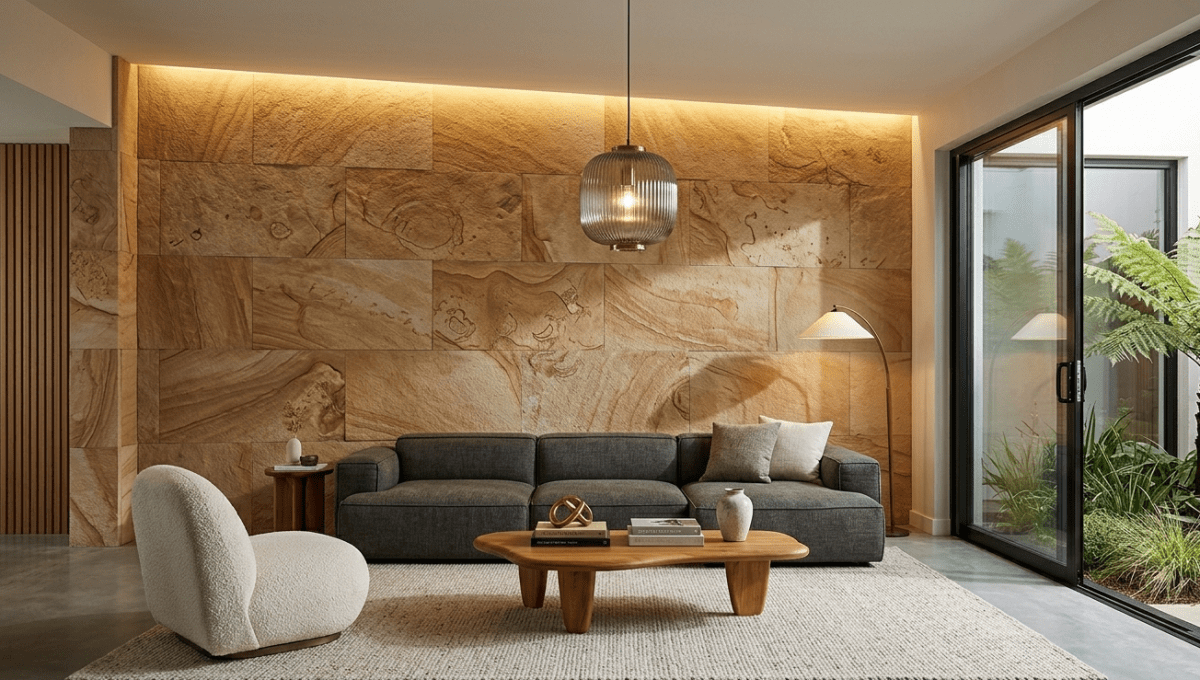
Stone cladding has become one of the most sought-after architectural finishes in Australia, combining natural texture, durability, and timeless design appeal. Whether used on exterior façades or interior feature walls, it delivers a premium aesthetic that significantly enhances both property value and visual identity. Understanding the costs, installation process, and material options is essential before committing to a project.
Understanding Stone Cladding in Australia
Stone cladding refers to a decorative wall finish made from natural stone or engineered stone panels applied to an existing structural surface. Unlike full masonry construction, cladding is non-load-bearing and designed purely for aesthetic and protective purposes. It allows homeowners and builders to achieve the look of solid stone without the extreme weight, labour intensity, or structural requirements of traditional stonework.
Modern systems range from heavy split-face stone to ultra-light thin veneer panels that can be installed on plasterboard, concrete, or timber frames with ease.
Stone Cladding Costs in Australia
Pricing varies depending on stone type, thickness, and installation complexity. However, the Australian market generally falls within the following ranges:
- Material costs: approximately $70 – $150 per m² for most natural stone cladding
- Lightweight stackstone panels: around $49 – $69 per m²
- Premium stone varieties (granite, slate, limestone): can exceed $150 per m² depending on finish and sourcing
- Installed cost (materials + labour): commonly reaches $150 – $285 per m² for full professional installation
For full-home applications, a complete project can start from $10,000+, depending on surface area and design complexity.
Key cost drivers include:
- Stone type and origin
- Wall height and access requirements
- Substrate preparation needs
- Labour skill level (tiler vs stonemason)
- Sealing, waterproofing, and finishing requirements
Step-by-Step Installation Process
A high-quality stone cladding installation follows a precise, multi-stage process designed to ensure long-term adhesion and durability.
1. Surface Preparation
The wall must be structurally sound, clean, dry, and free from loose paint or debris. Any cracks or instability must be repaired before installation begins.
2. Moisture Barrier Application
For external or moisture-prone areas, a waterproof membrane is often applied to prevent water ingress and protect the substrate from long-term damage.
3. Adhesive Application
A polymer-modified tile adhesive or mortar is applied using a notched trowel. This ensures a strong, even bond between the stone and wall surface.
4. Stone Placement
Stone pieces or panels are installed from the base upward, maintaining alignment, spacing, and consistent pattern flow for a natural finish.
5. Cutting and Fitting
Edges, corners, and openings are trimmed using diamond-blade tools to achieve precise fitting around architectural features.
6. Grouting and Sealing
Once set, joints are filled and the surface is cleaned. A penetrating sealer is then applied to protect against moisture, staining, and UV exposure.
7. Final Curing and Inspection
The installation is left to fully cure before final inspection, ensuring all panels are secure and finished to specification.
Types of Stone Cladding Used in Australia
Natural Stone Cladding
- Slate, sandstone, limestone, granite
- Highly durable and premium in appearance
- Heavier and more labour-intensive to install
Thin Stone Veneer Panels
- Ultra-lightweight natural stone layers
- Can be installed on standard plasterboard
- Ideal for modern interiors and feature walls
Stackstone and Split-Face Panels
- Pre-assembled textured stone pieces
- Common for exterior façades and statement walls
- Balanced option between cost and visual impact
Installation: Professional vs DIY
While small feature walls can be tackled by experienced DIY renovators, most full-scale installations are best handled by professionals. Skilled installers ensure correct adhesive coverage, alignment accuracy, waterproofing integrity, and long-term durability—particularly for exterior applications exposed to harsh Australian conditions.
Final Thoughts
Stone cladding remains a premium architectural finish in Australia due to its combination of strength, natural beauty, and long-term performance. Although it requires a higher upfront investment than synthetic alternatives, its durability and visual impact make it one of the most valuable upgrades for residential and commercial properties alike.
A well-planned installation—using the right material, correct substrate preparation, and professional workmanship—ensures a finish that can last for decades while maintaining its original elegance.
Related: New to this material? Read our complete stone cladding guide for Australia — types, costs, interior and exterior applications.