

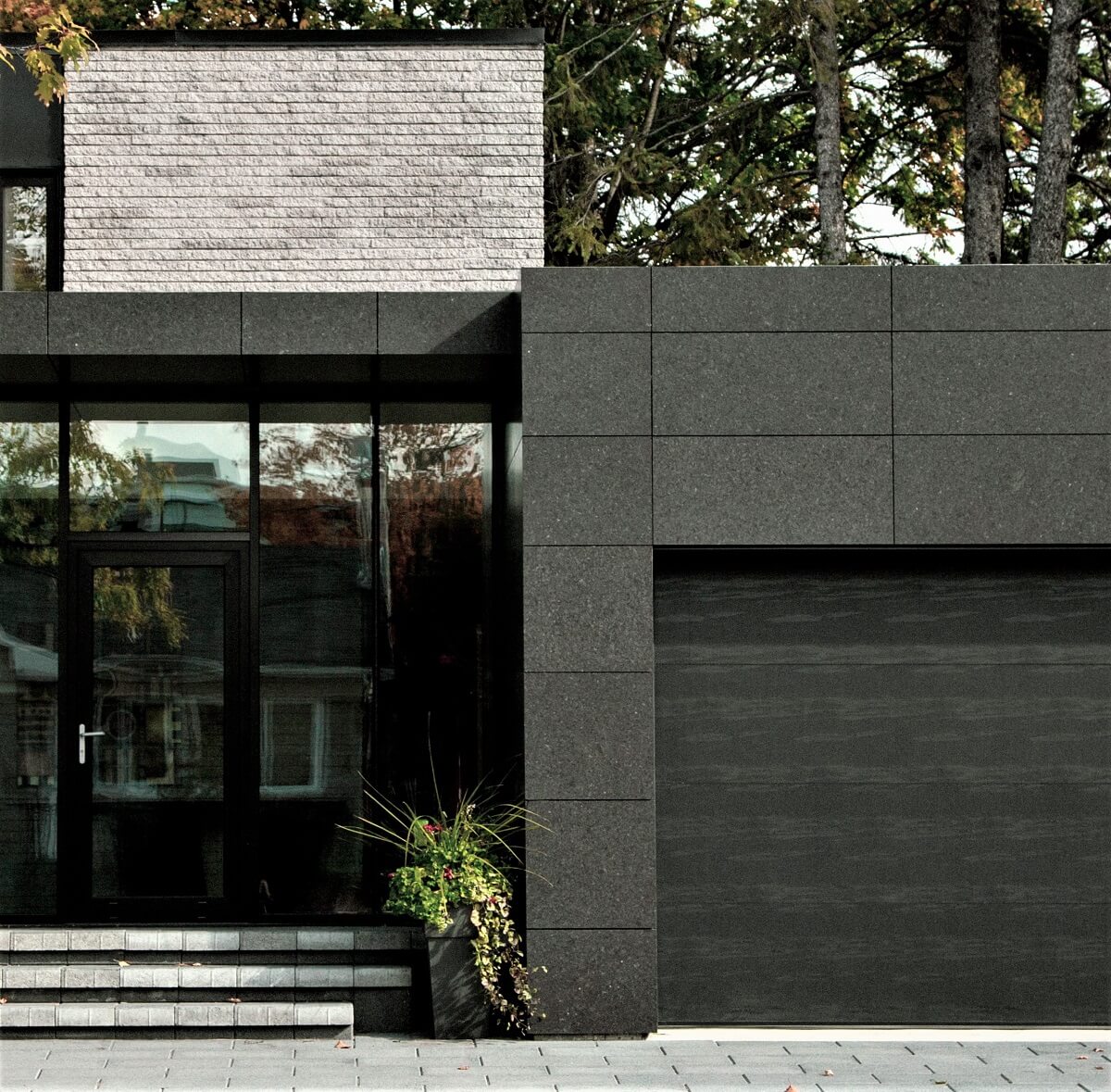

In the competitive Australian real estate market, homeowners are always looking for smart upgrades that increase property value. One of the most powerful yet often overlooked improvements is stone cladding. Whether it’s a luxury marble feature wall, a modern concrete façade, or stylish flexible stone panels, stone cladding transforms ordinary homes into premium properties.
Let’s explore how stone cladding directly impacts property value and why more Australians are investing in it.
First Impressions Sell Homes
The exterior of your home is the first thing buyers notice.
A façade finished with natural stone cladding immediately creates a sense of quality and permanence. Slate, sandstone, and concrete finishes elevate curb appeal, helping homes stand out in crowded listings.
Homes with stone-clad exteriors typically attract:
- Higher buyer interest
- Faster sale times
- Better perceived value
Luxury Interiors That Feel Premium
Stone cladding isn’t only for exteriors. Interior feature walls using marble, flexible stone, or Carbon Crystal Boards make spaces feel architecturally designed.
Buyers often associate stone interiors with:
- High construction quality
- Luxury lifestyle
- Low future maintenance
This perception alone can add thousands of dollars to a home’s resale price.
Durability That Buyers Trust
Australian buyers look for homes that require minimal repairs.
Stone cladding panels resist cracking, fading, termites, moisture, and UV exposure. Compared to painted walls or timber cladding, stone lasts significantly longer, reducing long-term maintenance costs for the next owner.
Energy Efficiency Improves Home Performance
Stone naturally helps regulate temperature by providing thermal mass.
This results in:
- Cooler interiors in summer
- Better heat retention in winter
- Lower energy costs
Homes with better insulation performance are more attractive to eco-conscious buyers.
Modern Finishes Increase Market Appeal
Using innovative finishes such as:
- Liquid Rust
- Translucent stone
- Marble CCB
- Mirror and Wooden CCB panels
creates unique interiors that feel custom-designed rather than mass-built.
Stone Doors Create Design Statements
Sketch Australia’s stone-finished doors are a growing trend in premium homes.
Barn doors, slate doors, marble doors, and liquid rust doors are no longer just functional—they are luxury features that add strong visual identity to a home.
Stone Cladding Is a Smart Renovation Investment
Unlike kitchens or bathrooms that require full renovations, stone cladding offers a high-impact upgrade with lower disruption.
A single feature wall or façade upgrade can:
- Modernise outdated homes
- Add designer appeal
- Justify higher asking prices
Conclusion
Stone cladding is more than an aesthetic upgrade—it’s a strategic property investment. In Australia’s competitive real estate market, homes that feature premium stone finishes consistently outperform standard builds in buyer interest and sale value.
Whether it’s flexible stone, marble panels, concrete finishes, Carbon Crystal Boards, or stone-clad doors, integrating stone into residential design is one of the smartest ways to increase property value.
FAQs
1. Does stone cladding really increase home value?
Yes, homes with stone finishes are perceived as higher quality and often sell for more.
2. Is stone cladding expensive to install?
Modern products like flexible stone and CCB panels significantly reduce installation costs.
3. Can I add stone cladding to an existing home?
Absolutely. Stone cladding is perfect for renovations and feature wall upgrades.
4. Which stone type adds the most value?
Marble, slate, sandstone, and modern concrete finishes all deliver strong resale appeal.
5. Is stone cladding suitable for all Australian climates?
Yes, stone performs well in coastal, urban, and rural environments across Australia.