

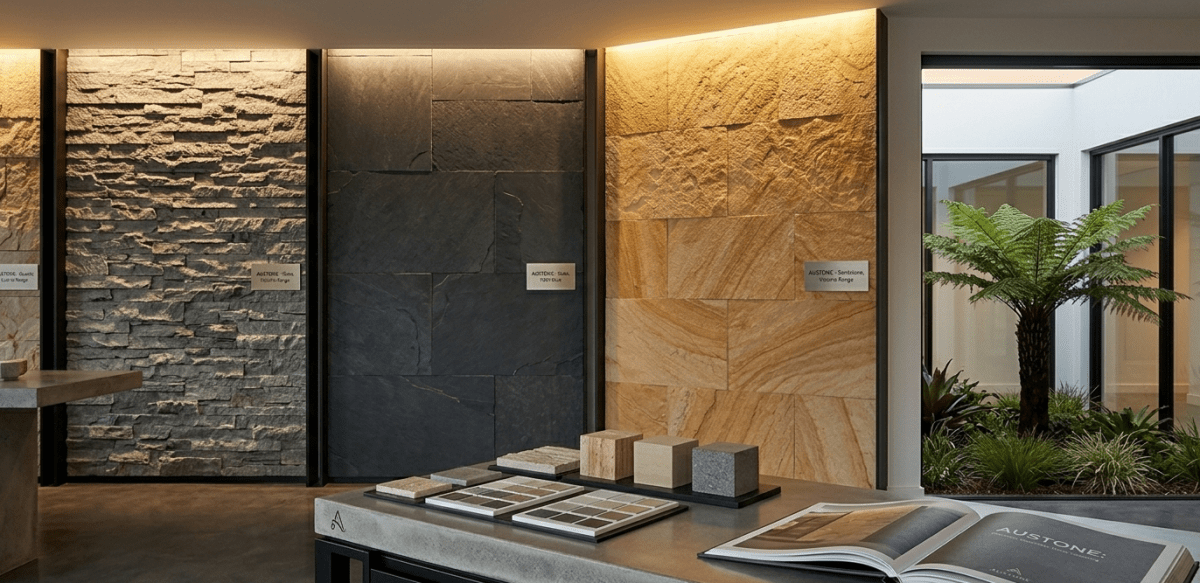

Modern architecture is no longer limited by rigid materials and straight lines. Today’s designers and property owners are prioritizing surfaces that are lightweight, adaptable, and visually compelling—and that shift is driving the rise of flexible wall cladding. Traditional cladding systems such as brick, tile, and heavy stone often require extensive labor, structural support, and time-consuming installation. Flexible alternatives solve these challenges while delivering the same—or better—design impact.
Flexible wall cladding is engineered to work across flat, curved, and irregular surfaces, making it ideal for both creative builds and practical renovations. From elegant interior feature walls to weather-resistant outdoor facades, these solutions combine performance with aesthetics. As construction trends move toward efficiency and versatility, flexible wall panels are quickly becoming essential in modern design.
In this guide, we’ll explore why flexible wall cladding is gaining traction, the different types available, and how to use it effectively in contemporary spaces.
Why Flexible Wall Cladding Is Gaining Popularity
The construction and interior design industries are embracing flexible wall cladding for one major reason: it solves multiple design and installation challenges at once.
Lightweight Materials Reduce Structural Strain
Traditional cladding materials can add significant weight to a structure. Flexible wall cladding, by contrast, is engineered to remain lightweight while preserving strength and visual appeal. This reduces the load on walls and support systems, making it ideal for renovations and retrofits.
According to the National Institute of Building Sciences, reducing unnecessary structural load can improve efficiency and extend building lifespan in retrofit projects.
Adaptable to Curved and Custom Surfaces
One of the biggest limitations of conventional materials is their inability to conform to unusual shapes. Flexible wall panels are designed to bend and mold to curved walls, columns, and custom architectural elements without cracking or requiring complex installation techniques.
Faster Installation Saves Time
Time is money in construction. Flexible cladding often uses adhesive-based systems or simplified mounting methods, significantly reducing labor requirements compared to stone or ceramic applications.
A report from McKinsey & Company found that improving material efficiency and installation speed is one of the strongest drivers of productivity in construction.
Cost-Effective for New Builds and Renovations
Because they require fewer materials, less labor, and reduced transport costs, flexible wall systems can provide a more economical solution without compromising style.
Diverse Modern Aesthetics
From stone-inspired finishes to sleek industrial textures, flexible wall cladding offers design freedom that aligns with current architectural trends.
Types of Flexible Wall Cladding
1. Flexible Stone Veneer Panels
Flexible stone veneer panels combine ultra-thin natural stone layers with flexible backing materials.
Key Features:
- Authentic natural stone appearance
- Lightweight compared to traditional stone slabs
- Suitable for curved walls and columns
- Easy to transport and install
These are especially valuable in projects where aesthetics matter but weight restrictions exist.
2. Flexible PVC Cladding
Flexible PVC cladding is widely used in functional environments where durability and moisture resistance are essential.
Benefits:
- Water-resistant and easy to clean
- Durable in high-traffic spaces
- Available in multiple finishes
- Resistant to mold and mildew
This makes it particularly effective in kitchens, bathrooms, healthcare settings, and utility areas.
3. Decorative Flex Wall Panels
Decorative panels focus on interior design applications where visual impact is the goal.
Common Styles:
- Wood-look textures
- Concrete-inspired finishes
- Stone-effect panels
- 3D textured surfaces
These panels help create statement walls without extensive remodeling.
Applications of Flexible Wall Cladding
Residential Interiors
Flexible interior wall panels can transform:
- Living rooms
- Bedrooms
- Hallways
- Kitchens
They are commonly used for accent walls, fireplace surrounds, and headboard features.
Commercial Spaces
Hotels, retail stores, restaurants, and offices benefit from cladding because it enhances aesthetics while remaining practical.
In competitive business environments, first impressions influence customer trust—making visual design a strategic investment.
Exterior Facades
Flexible exterior wall cladding is built to withstand weather exposure while improving curb appeal.
It works well for:
- Outdoor feature walls
- Building facades
- Entryways
- Garden structures
Renovation Projects
Because installation often avoids demolition, cladding provides a quick upgrade path for outdated spaces.
Curved or Unique Structures
Columns, rounded walls, and custom architectural elements are where flexible systems truly outperform traditional materials.
Benefits of Flexible Wall Cladding
- Easy and efficient installation
- Lightweight for multiple surfaces
- Resistant to wear, moisture, and weather
- Low-maintenance and easy to clean
- Suitable for indoor and outdoor applications
- Expands design possibilities in architecture
Flexible Wall Cladding vs Traditional Materials
| Feature | Flexible Wall Cladding | Traditional Materials |
|---|---|---|
| Weight | Lightweight | Heavy |
| Installation Time | Fast | Slower |
| Surface Adaptability | High | Limited |
| Cost Efficiency | Strong | Variable |
| Maintenance | Low | Moderate to High |
| Design Flexibility | Excellent | Moderate |
Design Tips for Modern Spaces
Create Textured Feature Walls
Use flexible wall panels to add depth and personality to living areas or commercial interiors.
Pair with Lighting
Integrated lighting enhances texture and dimension, especially with stone or 3D surfaces.
Choose Neutral Finishes
Minimalist palettes remain timeless and versatile.
Blend Indoor and Outdoor Design
Using similar cladding across interior and exterior zones creates visual continuity.
Match Materials to Environment
Always consider exposure to moisture, sunlight, and foot traffic before selecting a finish.
Expert Insight
“Flexible wall systems are reshaping how modern designers approach surfaces. Their adaptability allows creativity without sacrificing efficiency—a major advantage in both residential and commercial projects.”
— Dr. Aina Bukunmi
FAQs
Can flexible wall cladding be used outdoors?
Yes. Flexible exterior wall cladding is specifically designed for weather resistance and long-term durability.
Is flexible PVC cladding suitable for wet areas?
Absolutely. Its moisture-resistant properties make it ideal for bathrooms, kitchens, and utility rooms.
Can flexible wall panels fit curved surfaces?
Yes. Their flexibility makes them ideal for curved or irregular architectural elements.
Are flexible wall panels durable?
High-quality panels are engineered to withstand wear while maintaining appearance over time.
Conclusion
Flexible wall cladding is transforming modern spaces by combining innovation, efficiency, and design freedom. Whether you need durable exterior coverage or stylish interior solutions, these materials offer practical advantages over traditional systems.
For architects, builders, and homeowners seeking faster installation, lower maintenance, and creative versatility, flexible wall panels are a future-ready investment.
Upgrade your next project with flexible wall cladding and explore innovative solutions that bring modern spaces to life.