

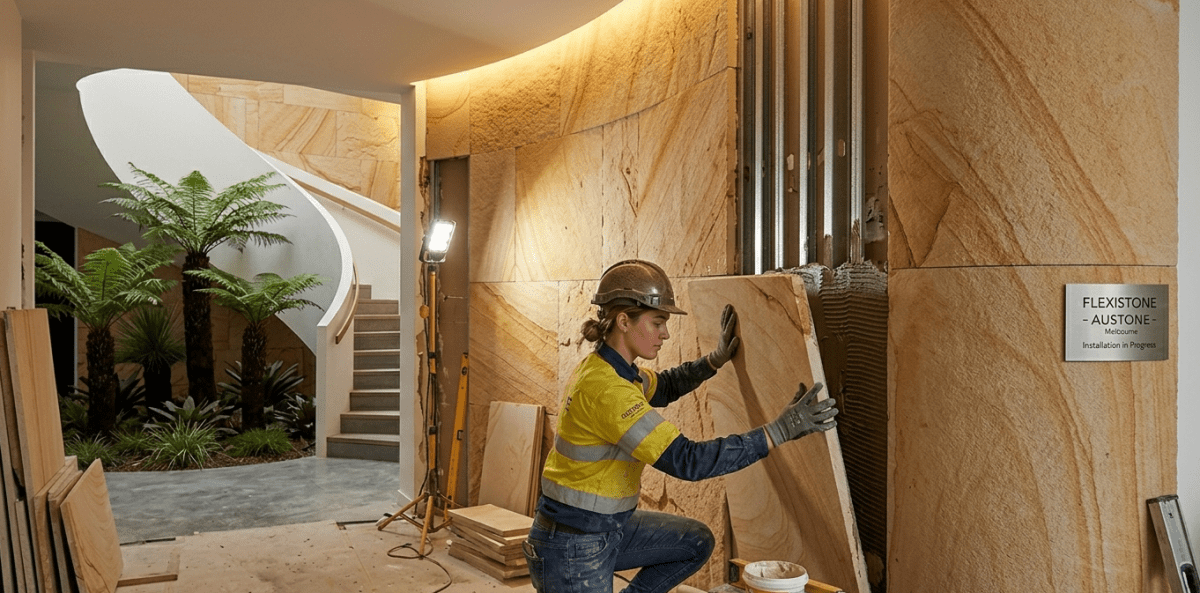

Walk into any modern hotel, luxury home, or high-end retail space today and you’ll likely notice something different—walls are no longer just flat, heavy, or traditional. Designers are now using bendable stone panels, flexible wall panels, and 3D textured surfaces to create visually striking, lightweight, and highly adaptable environments.
According to industry insights, the global demand for innovative wall cladding materials is rising as architects prioritize faster installation, lower structural load, and design flexibility in both residential and commercial projects.
This shift is not just aesthetic—it’s functional. Traditional stone is expensive, heavy, and time-consuming to install, while modern flexible alternatives solve these limitations without sacrificing appearance.
In this article, you’ll learn:
- What bendable stone panels and flexible wall systems are
- How they are made and where they are used
- Their advantages over traditional materials
- How to choose the right solution for your project
By the end, you’ll understand why these materials are becoming a standard in modern architecture and interior design.
What Are Bendable Stone Panels and Flexible Wall Panels?
Keywords: bendable stone panels, bendable wall panels, flexible 3D wall panels
Bendable stone and flexible wall panels are modern cladding materials designed to mimic natural stone or textured finishes while remaining lightweight and adaptable.
Key Definitions:
- Bendable stone panels: Ultra-thin stone veneer composites mounted on flexible backing materials
- Bendable wall panels: General category of flexible decorative panels used for walls and surfaces
- Flexible 3D wall panels: Textured panels designed to create depth and dimension in interior spaces
How they differ from traditional materials:
- Traditional stone = rigid, heavy, labor-intensive
- Flexible panels = lightweight, cuttable, and installable on curved surfaces
How Bendable Stone Panels Are Made
Most bendable stone systems combine natural and engineered materials.
Typical composition:
- Thin natural stone layer or stone powder composite
- Resin or polymer bonding agents
- Fiberglass or PVC flexible backing
Manufacturing process:
- Stone is sliced into ultra-thin layers
- Layers are reinforced with flexible backing
- Resin is applied for durability and adhesion
- Panels are cured and finished for installation
This structure allows flexibility without breaking while maintaining a natural stone appearance.
Types of Flexible Wall Panel Materials
Keywords: bendable faux stone panels, flexible plastic wall panels, flexible 3D wall panels
1. Bendable Stone Panels
- Real stone surface with flexible backing
- Premium aesthetic for luxury interiors
- Used in feature walls and architectural highlights
2. Bendable Faux Stone Panels
- Manufactured stone-look alternatives
- Lightweight and cost-effective
- Ideal for budget-friendly design projects
3. Flexible 3D Wall Panels
- Textured geometric or artistic designs
- Adds depth and shadow effects
- Popular in modern commercial interiors
4. Flexible Plastic Wall Panels
- Moisture-resistant and highly durable
- Common in bathrooms, kitchens, and retail spaces
- Easy to clean and maintain
Key Benefits of Bendable and Flexible Wall Panels
Research in modern construction materials shows that lightweight cladding systems can significantly reduce installation time and labor costs in building projects
Main benefits:
- Lightweight and easy to transport
- Faster installation compared to stone or tile
- Can fit curved or irregular surfaces
- Lower labour and construction costs
- Wide variety of finishes and textures
- Reduced structural load on buildings
Applications in Modern Architecture and Interior Design
Flexible wall systems are used across multiple industries:
Residential:
- Living room feature walls
- Bedroom headboards
- Kitchen accent surfaces
Commercial:
- Retail store branding walls
- Office reception areas
- Restaurant interiors
Hospitality:
- Hotel lobbies
- Luxury suites
- Spa environments
Architectural:
- Curved façades
- Columns and pillars
- Ceiling design features
Bendable Stone Panels vs Traditional Stone Cladding
| Feature | Bendable Stone Panels | Traditional Stone |
|---|---|---|
| Weight | Lightweight | Heavy |
| Installation | Fast and flexible | Labour-intensive |
| Cost | More affordable | Expensive |
| Design flexibility | High | Limited |
| Structural load | Low | High |
Flexible 3D Wall Panels in Modern Design Trends
Flexible 3D panels are gaining popularity in interior design due to their visual impact.
- Creates depth through shadows and textures
- Works well with LED lighting effects
- Used in modern branding environments
- Popular in minimalist and luxury interiors
Installation Process of Flexible Wall Panels
Step-by-step process:
- Surface preparation (clean and level surface)
- Measure and cut panels
- Apply adhesive or mounting solution
- Position and press panels firmly
- Seal edges if required
Installation is significantly faster than traditional stone cladding.
Durability and Performance Factors
Flexible wall panels are engineered for long-term use:
- Moisture resistance (ideal for bathrooms and kitchens)
- Heat resistance for interior environments
- Impact resistance for commercial use
- UV-resistant options for exterior applications
Design Flexibility and Creative Use Cases
- Curved architectural walls
- Ceiling installations
- Furniture integration
- Custom branded interiors
- Retail experiential design spaces
Expert Insight / Pro Tip
“Modern construction is moving toward materials that combine aesthetics with efficiency. Flexible wall systems allow designers to think beyond flat surfaces and create immersive environments with less structural limitation.”
— Dr. Aina Bukunmi, DBA, Mobile & Digital Marketing Specialist, E-Sales Studio
Conclusion
Bendable stone panels and flexible wall systems are transforming modern architecture by combining design freedom with practical performance. They reduce installation time, lower costs, and open new creative possibilities for both residential and commercial spaces.