


Australian homes are built around outdoor living. The alfresco wall, the outdoor kitchen surround, the garden boundary wall, the pool pavilion facade. These surfaces take real punishment from the Australian climate and they are on display every time you step outside. Choosing the right outdoor wall cladding material matters enormously, both for how it performs over time and for how it looks.
Stone is one of the best outdoor wall cladding materials available in Australia. It handles heat, UV, rain, and salt air better than most alternatives. This guide covers everything you need to know about choosing, specifying, and installing stone outdoor wall cladding for an Australian property.
Why Stone Is One of the Best Outdoor Cladding Materials in Australia
Australia's climate is tough on building materials. UV radiation at Australian latitudes degrades many products faster than comparable climates in Europe or North America. Temperature swings between winter and summer, particularly in inland areas, cause expansion and contraction that can stress finishes over time. Coastal properties deal with salt air corrosion that attacks metals, timbers, and synthetic materials.
Natural stone handles all of these conditions well. It does not fade under UV exposure the way painted surfaces or composite materials can. It has very low thermal expansion relative to its mass. And it is chemically inert, meaning salt air has little effect on it. Properly installed stone outdoor wall cladding on an Australian home should last the life of the building with minimal maintenance.
Best Stone Types for Outdoor Wall Cladding in Australia
Slate is the most popular choice for exterior stone wall cladding in Australia and for good reason. It is a dense, low porosity metamorphic rock that handles moisture exposure extremely well. Its natural cleavage planes create a textured, layered surface that conceals weathering and ageing well over time. Available in charcoal, rust, grey green, and multicolour varieties, slate suits both contemporary and traditional Australian architecture.
Sandstone
Sandstone is a quintessentially Australian material with deep roots in the country's building history. Its warm honey and buff tones complement the Australian landscape in a way that no imported material can replicate. For exterior applications, sandstone requires sealing to prevent moisture absorption and staining. Properly sealed, it is a highly durable outdoor cladding material that improves in character as it ages.
Quartzite
Quartzite is harder and denser than most stone types, with excellent resistance to weathering and abrasion. It is particularly well suited to high traffic exterior surfaces such as wall bases in outdoor living areas where chairs and furniture may make contact with the wall.
Australian Climate Considerations
UV and heat
All natural stone handles UV exposure without fading. However, darker stone colours absorb more heat in direct summer sun. In very hot climates such as Darwin, Brisbane, or inland Western Australia, lighter stone tones are more comfortable in outdoor spaces where people sit close to the walls.
Coastal environments
Salt air has minimal effect on natural stone itself but can degrade some adhesive and sealant systems over time. For coastal properties, specify adhesive and grout products with explicit salt air or marine environment ratings. Sketch can advise on the right system for your location.
Fire risk areas
For properties in bushfire prone zones, the construction requirements are governed by AS 3959. Natural stone cladding is non combustible and performs well in BAL rated construction. The specific BAL rating that stone cladding can satisfy depends on the installation system and substrate. Always confirm compliance with your certifier before committing to a specification.
Important for BAL rated areas: Non-combustible stone cladding panels can contribute to BAL compliance but the entire wall system including substrate, adhesive, and cavity must be assessed together. Ask Sketch for the relevant technical documentation for your build.
Outdoor Wall Cladding Installation Considerations
Exterior installations require more attention to the installation system than interior work because of exposure to moisture, thermal movement, and wind loading.
- Use an exterior rated flexible adhesive, not standard tile adhesive
- Grout all joints fully to prevent water ingress behind panels
- Apply a penetrating stone sealer to sandstone and lower porosity stones before first exposure to rain
- Allow for thermal movement joints every 3 to 4 metres in large exterior installations
- Ensure adequate drainage at the base of cladded walls so water does not pool against the stone
Popular Outdoor Applications for Stone Wall Cladding
Alfresco and outdoor entertaining areas
The outdoor living wall behind a built in BBQ or outdoor kitchen is the most popular residential application for stone wall cladding in Australia. Stone handles heat from outdoor cooking and weathering from rain without any of the maintenance that timber or painted surfaces require.
Pool walls and surrounds
Stone cladding around pool walls and equipment enclosures creates a resort style aesthetic that ages beautifully. Use slate or quartzite in pool environments for their low porosity and resistance to pool chemicals.
Garden and boundary walls
A cladded garden wall in sandstone or slate instantly elevates the quality of an outdoor space. These walls take no direct structural load from the cladding and are straightforward to install with standard thin stone veneer panels.
Building facades and feature panels
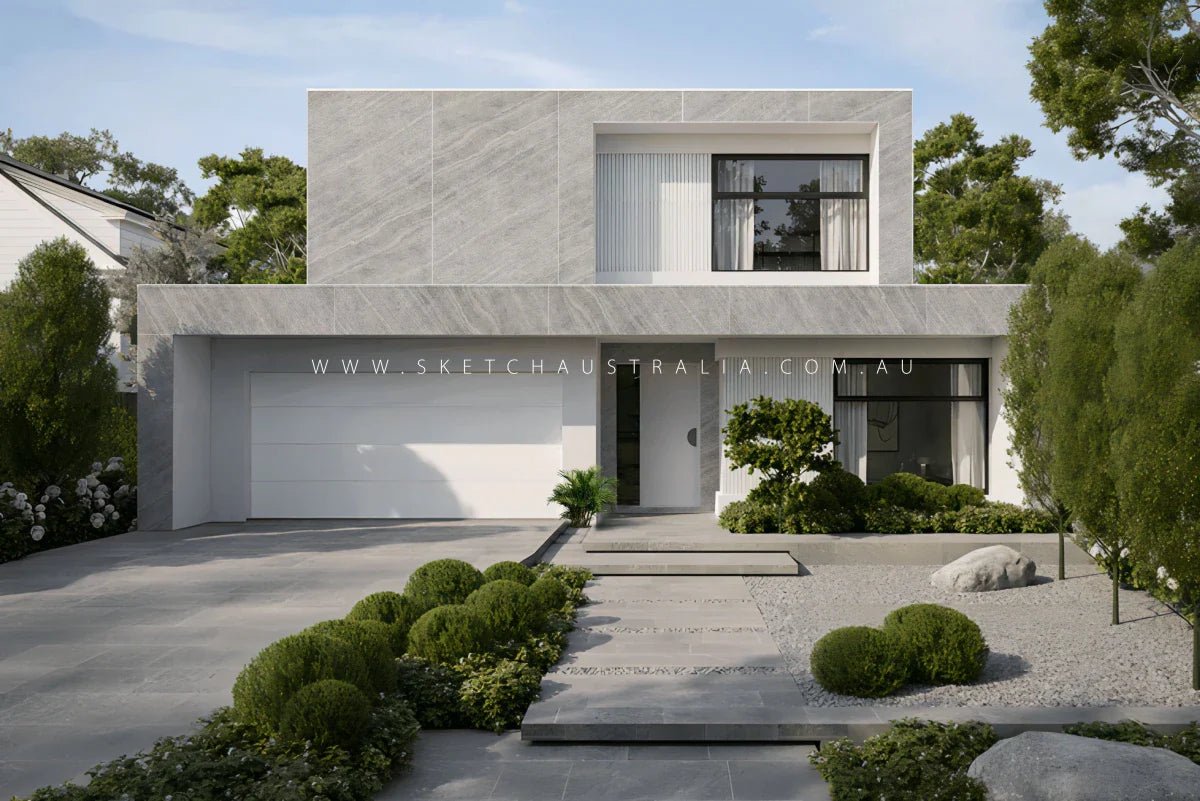
Stone cladding on the exterior of a home is a significant design statement that adds real value to the property. Even a partial facade application, such as a stone panel feature at the entry or around the garage, makes a powerful architectural impression.
Maintenance Requirements for Outdoor Stone Cladding
Natural stone outdoor wall cladding requires very little ongoing maintenance compared to painted or coated surfaces. The main tasks are resealing every two to three years, particularly for sandstone, and cleaning with water and a stone safe cleaner to remove dirt and moss in shaded areas.
Avoid pressure washing at high pressure directly onto the stone surface as this can erode grout joints over time. A medium pressure wash at appropriate distance is fine for general cleaning.