

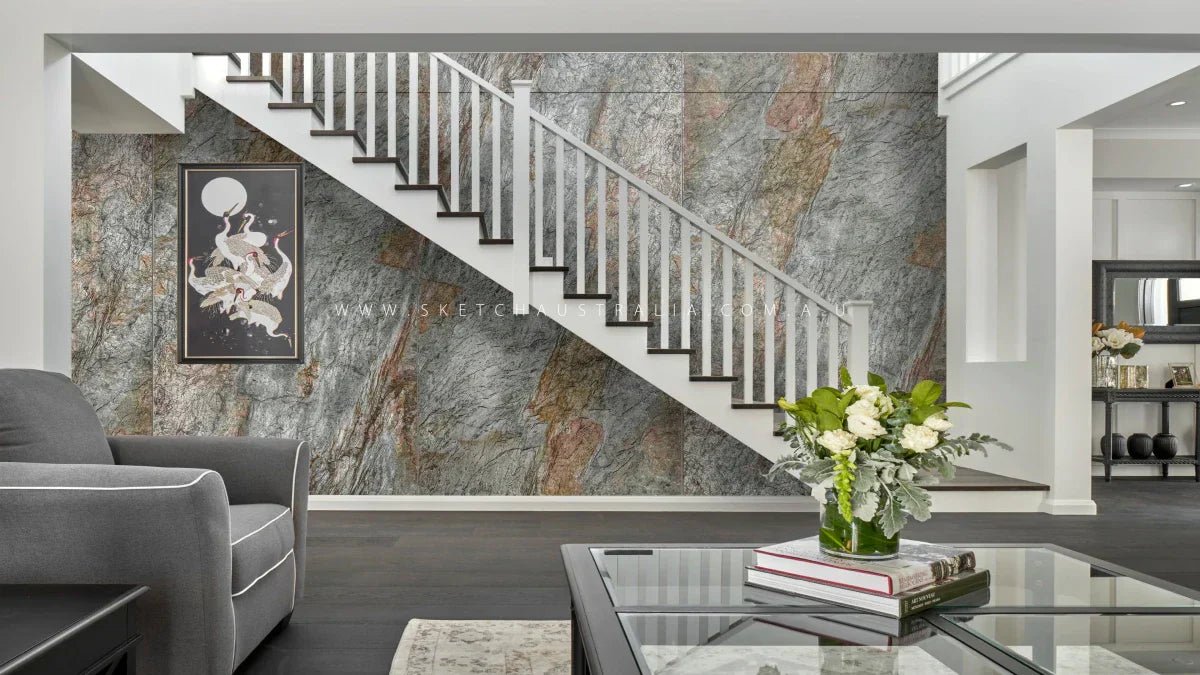

PVC wall panels have become a popular choice for bathrooms, kitchens, commercial spaces, and feature walls due to their durability, water resistance, and low maintenance requirements. Whether you're planning a DIY renovation or a professional installation, knowing how to cut PVC wall panels correctly is essential for achieving a clean, professional finish.
In this guide, we'll explain the best way to cut PVC wall panels, the tools you'll need, and key installation tips to help your project succeed.
What Is PVC Wall Panel?
PVC (Polyvinyl Chloride) wall panels are lightweight cladding materials designed to cover interior walls and ceilings. They are commonly used in moisture-prone areas because they resist water, mould, and mildew.
Many homeowners ask, "Are PVC wall panels any good?" The answer is yes. High-quality PVC panels offer excellent durability, are easy to clean, and provide a cost-effective alternative to tiles and painted surfaces.
How Long Do PVC Wall Panels Last?
When properly installed and maintained, PVC wall panels can last 20 years or more. Their lifespan depends on factors such as installation quality, environmental conditions, and the quality of the panels themselves.
Tools Needed to Cut PVC Wall Panels
Before you begin, gather the following tools:
- Measuring tape
- Pencil or marker
- Straight edge
- Utility knife
- Fine-tooth hand saw
- Jigsaw or circular saw
- Safety glasses and gloves
For most installations, a fine-tooth blade provides the cleanest cut and helps prevent chipping.
How to Cut PVC Wall Panels
Step 1: Measure and Mark
Measure the required size carefully and mark the cutting line using a straight edge. Accurate measurements reduce waste and improve the final appearance.
Step 2: Secure the Panel
Place the panel on a stable work surface. Proper support prevents movement during cutting and helps produce cleaner edges.
Step 3: Select the Right Cutting Tool
For straight cuts, a circular saw or hand saw works well. For curved cuts or openings around fixtures, a jigsaw is often the best option.
Step 4: Cut Slowly and Evenly
Cut along the marked line using steady pressure. Avoid forcing the blade, as this can crack or damage the panel.
Step 5: Smooth the Edges
Once the cut is complete, lightly sand or trim any rough edges to ensure a neat finish before installation.
How to Install PVC Wall Panels
After cutting the panels to size, installation is relatively straightforward:
- Clean and prepare the wall surface.
- Apply adhesive or install battens if required.
- Position the first panel carefully.
- Connect adjoining panels using the tongue-and-groove system.
- Install trims and finish edges neatly.
How to Install PVC Bathroom Wall Panels
Bathrooms require additional attention to waterproofing. Ensure all joints, corners, and edges are sealed properly to prevent moisture penetration.
How to Install PVC Wall Panels in Shower Areas
When installing PVC wall panels in a shower, use waterproof sealant around fixtures, corners, and panel joints. Proper sealing helps maintain long-term performance and prevents water damage behind the panels.
How to Fix PVC Wall Panels
If a panel becomes loose or damaged, it can often be repaired without replacing the entire wall.
Common fixes include:
- Reapplying adhesive
- Replacing damaged sections
- Installing new trims
- Resealing joints and corners
What Is the Best Adhesive for PVC Wall Panels?
The best adhesive for PVC wall panels is typically a high-quality solvent-free construction adhesive recommended by the panel manufacturer. Using the correct adhesive helps ensure a strong bond and long-lasting installation.
When learning how to stick PVC wall panels, always follow the manufacturer's installation instructions for the best results.
Is PVC Wall Panel Good for Health?
Modern PVC wall panels manufactured to industry standards are generally considered safe for indoor use. Many products are low maintenance, hygienic, and resistant to mould growth, making them a practical option for residential and commercial interiors.
Learning how to cut PVC wall panels correctly is an important step toward achieving a professional-looking installation. By using the right tools, measuring accurately, and following proper installation practices, you can create a durable and attractive finish that lasts for years.
Whether you're installing panels in a bathroom, shower, or feature wall, careful preparation and quality materials will deliver the best results.