

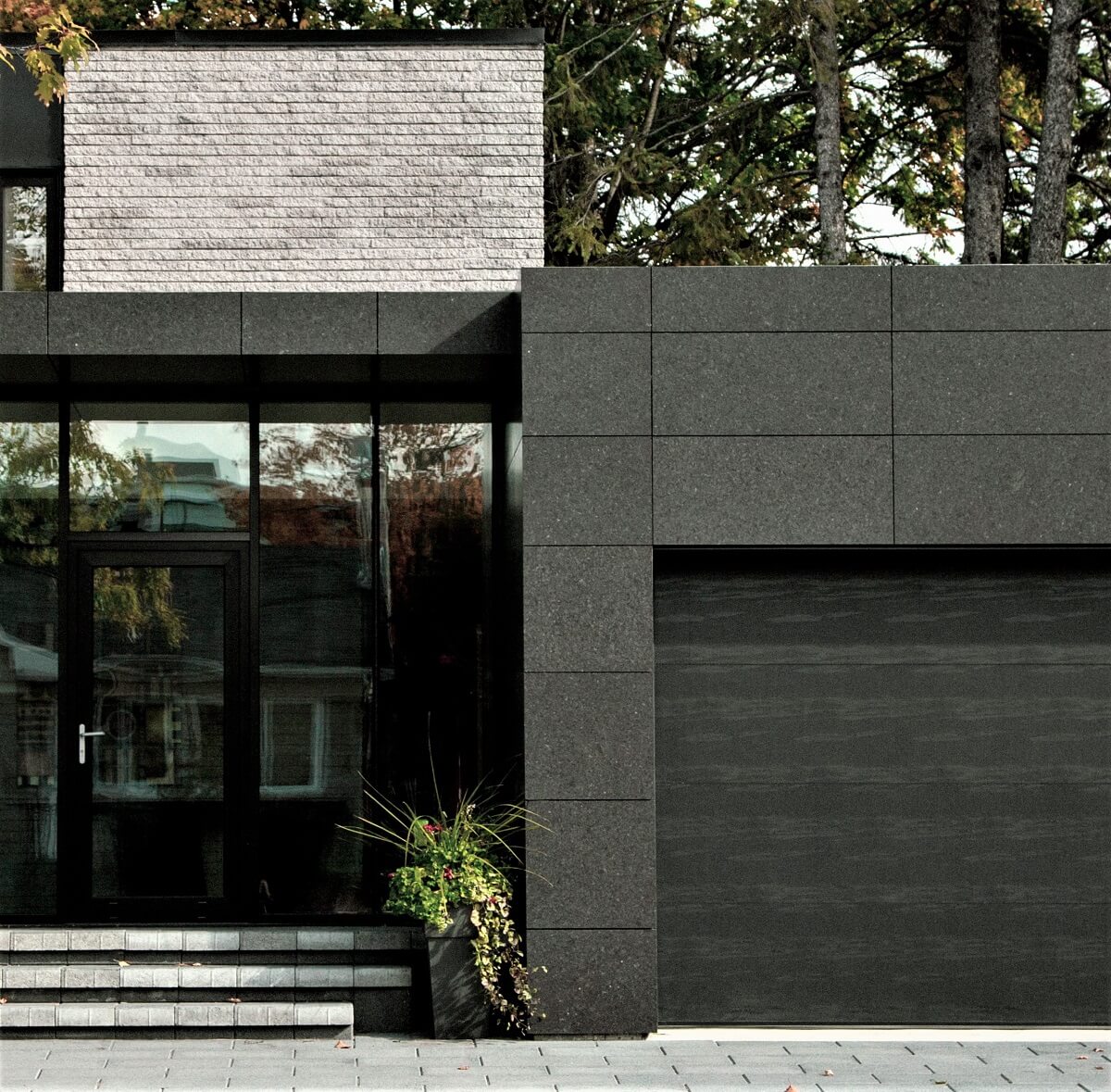

Outdoor stone cladding has become one of the most popular architectural finishes in Australia, offering a perfect balance of durability, visual appeal, and long-term value. With Australia’s diverse climate conditions—from coastal humidity to extreme heat and heavy rainfall—choosing the right exterior wall material is essential. Natural stone cladding stands out as a reliable and timeless solution for both residential and commercial buildings.
What Is Outdoor Stone Cladding?
Outdoor stone cladding is a thin layer of natural stone applied to exterior walls to enhance appearance and protect the underlying structure. Unlike full stone blocks, cladding panels are lightweight, easier to install, and more cost-effective, while still delivering the authentic texture and character of real stone.
Stone cladding can be used on facades, boundary walls, entrance features, columns, outdoor fireplaces, and even landscape structures. It allows architects and homeowners to achieve a premium look without the structural challenges of solid stone construction.
Why Stone Cladding Is Ideal for Australian Conditions
Australia’s climate demands materials that can withstand heat, moisture, UV exposure, and temperature fluctuations. Natural stone cladding is well suited for these conditions due to its inherent strength and weather resistance.
Stone does not warp, fade, or deteriorate easily under harsh sunlight. When sealed correctly, it resists moisture penetration, making it ideal for coastal regions and high-rainfall areas. Its thermal mass also helps regulate surface temperatures, keeping buildings cooler during hot summers.
Visual Appeal and Architectural Impact
One of the main reasons homeowners and designers choose stone cladding is its visual impact. Natural stone adds depth, texture, and character that manufactured materials struggle to replicate. Each stone panel is unique, creating a natural variation that enhances curb appeal and architectural interest.
Outdoor stone cladding works seamlessly with modern, contemporary, and traditional Australian designs. Whether paired with glass, concrete, or timber elements, stone creates a strong visual contrast while maintaining a natural, grounded aesthetic.
Popular Applications of Outdoor Stone Cladding
Stone cladding is extremely versatile and can be used in a wide range of exterior applications. Common uses include:
- Front façade feature walls
- Boundary and garden walls
- Outdoor entertainment areas
- Pillars and columns
- Garage and entryway walls
- Outdoor kitchens and BBQ surrounds
Because of its flexibility and lightweight nature, modern stone cladding panels can also be applied to curved or unconventional surfaces.
Durability and Low Maintenance Benefits
One of the strongest advantages of natural stone cladding is its long lifespan. Properly installed stone panels can last for decades with minimal maintenance. Unlike painted surfaces or synthetic materials, stone does not require frequent repainting or replacement.
Routine maintenance usually involves simple washing with water and occasional resealing to maintain protection against stains and moisture. This makes stone cladding a cost-effective solution over time, especially for large exterior surfaces.
Energy Efficiency and Sustainability
Natural stone is an environmentally responsible choice for exterior construction. As a natural material, it requires minimal processing compared to synthetic alternatives. Stone cladding can also contribute to energy efficiency by acting as an additional insulating layer for exterior walls.
By reducing heat absorption and improving thermal performance, stone-clad buildings can experience lower cooling costs during warmer months. This makes stone cladding a practical option for energy-conscious homeowners.
Installation Considerations
Modern stone cladding systems are designed for efficient installation. Panels can be installed over various substrates such as concrete, brick, cement sheeting, and steel frames, provided the surface is properly prepared.
Professional installation ensures correct alignment, strong adhesion, and long-term performance. However, some lightweight stone panel systems are also suitable for skilled DIY installers using standard tools and recommended adhesives.
Correct sealing after installation is essential to protect the stone from environmental exposure and to maintain its appearance over time.
Cost Effectiveness Compared to Solid Stone
While solid stone construction is expensive and structurally demanding, stone cladding offers a far more affordable alternative. It delivers the same premium appearance without the high material, transport, and labor costs associated with full stone blocks.
For homeowners looking to increase property value without excessive renovation expenses, stone cladding provides an excellent return on investment.
Increasing Property Value and Street Appeal
Exterior improvements play a major role in property valuation, and stone cladding significantly enhances street appeal. A well-designed stone façade creates a strong first impression, making properties more attractive to buyers and tenants alike.
In competitive Australian real estate markets, homes with stone-clad exteriors often stand out and command higher resale value.
Final Thoughts
Outdoor stone cladding is more than just an aesthetic upgrade—it is a durable, practical, and value-driven solution for Australian homes and commercial buildings. Its ability to withstand harsh weather conditions, combined with timeless beauty and low maintenance, makes it one of the smartest exterior design choices available today.
Whether used as a full façade treatment or a feature element, natural stone cladding delivers long-lasting performance and architectural elegance that continues to grow in popularity across Australia.

