

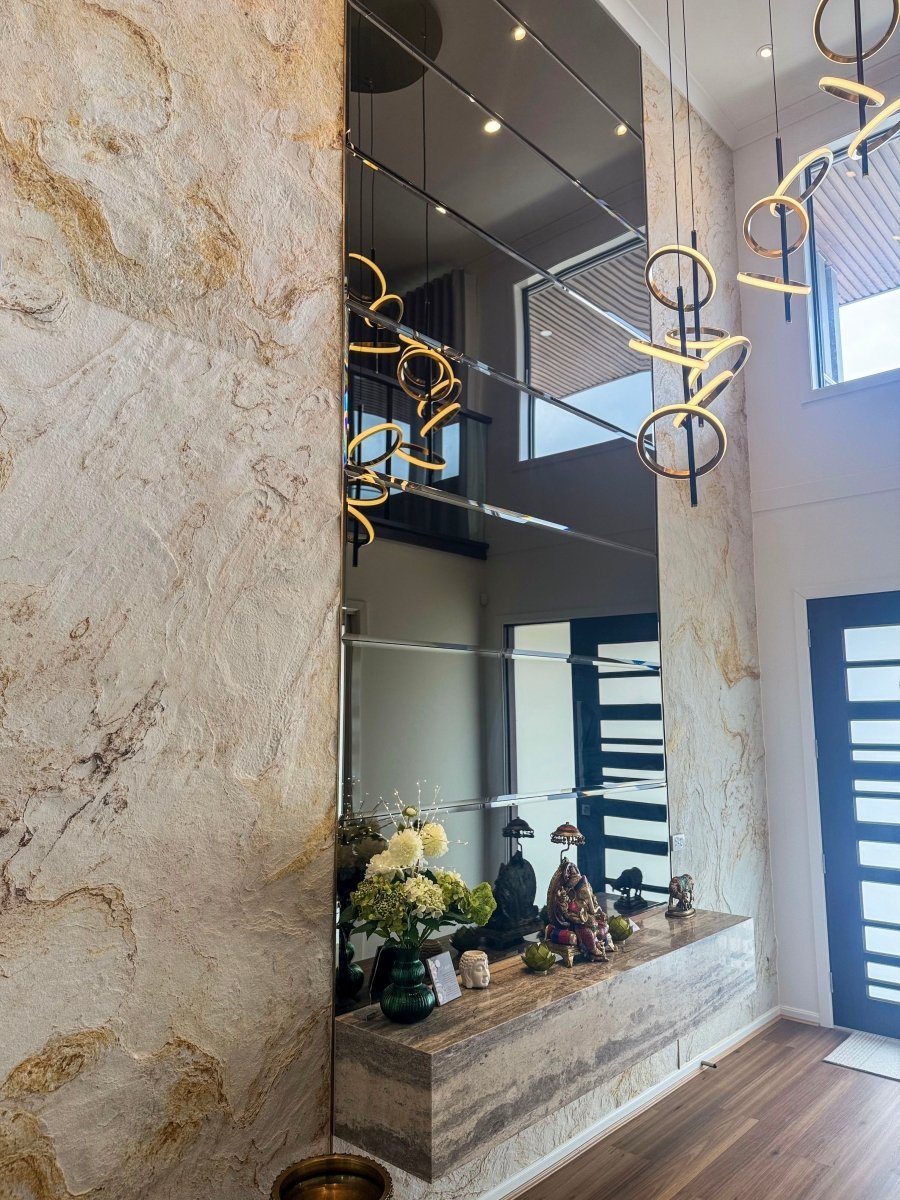
The most common stone cladding mistakes include installing on unclean or uneven surfaces, using the wrong adhesive, and skipping sealant after installation. In Australian conditions, UV exposure and moisture make surface prep and product selection critical. Using flexible stone panels with a compatible flexible adhesive and proper sealing ensures a long-lasting, professional result.

Stone cladding can completely transform the look of a home, but when it’s installed incorrectly, the results can be disappointing and costly. Across Australia, many homeowners face issues such as cracking panels, water damage, and uneven finishes—all because of avoidable mistakes.
If you’re planning to install stone cladding, learning what not to do is just as important as knowing what to do.
Choosing the Wrong Stone for the Environment
Not all stones are suited to every Australian climate. Coastal homes face salt exposure, while inland areas deal with extreme heat. Using the wrong stone can lead to rapid deterioration.
For example:
- Sandstone works best in coastal regions.
- Slate and concrete perform better in hot urban zones.
- Flexible stone is ideal for interiors and curved walls.
Ignoring Wall Preparation
One of the biggest mistakes is installing stone cladding over unprepared surfaces. Walls must be clean, dry, and structurally sound.
Failing to remove dust, moisture, or loose paint often results in poor adhesion and early failure.
Skipping Waterproofing
Water damage is the silent killer of stone cladding.
Without proper waterproof membranes, moisture can seep behind the panels, causing mould, stains, and long-term structural issues—especially in bathrooms and external walls.
Using Incorrect Adhesives
Not all adhesives are designed for stone.
Heavy natural stone panels require specialised adhesives that can withstand Australia’s temperature fluctuations. Using general-purpose glue can lead to panels slipping or detaching over time.
Poor Alignment and Spacing
Uneven spacing ruins the final appearance.
Stone panels must be installed with precise alignment and consistent joints. Even a few millimetres off can make a premium finish look amateur.
Overlooking Expansion Gaps
Stone expands and contracts with heat. Without expansion joints, panels can crack or lift—especially in Australian summers.
DIY on Complex Installations
While peel-and-stick and flexible stone panels are DIY-friendly, heavy stone façades and full exterior cladding should always be installed by professionals.
Not Sealing the Stone
Natural stone is porous.
Failing to seal stone cladding exposes it to stains, moisture absorption, and colour fading—especially in kitchens, bathrooms, and outdoor areas.
Choosing Price Over Quality
Cheap stone cladding often leads to:
- Colour inconsistency
- Weak bonding
- Thin, fragile panels
Premium products from reputable suppliers save money long-term.
Conclusion
Installing stone cladding is an investment, not just a decoration. By avoiding these common mistakes—poor surface prep, wrong adhesives, lack of waterproofing, and low-quality materials—you’ll enjoy a stunning stone finish that lasts for decades in Australian conditions.
FAQs
1. Can I install stone cladding myself?
Yes for lightweight and flexible panels, but heavy stone should be professionally installed.
2. Do all stone panels need sealing?
Most natural stones require sealing for protection.
3. Is waterproofing really necessary?
Absolutely—especially in wet areas and exterior walls.
4. What adhesive should I use for stone cladding?
Always use stone-specific adhesives designed for heavy materials.
5. How long should stone cladding last?
With correct installation and care, over 30 years.


