

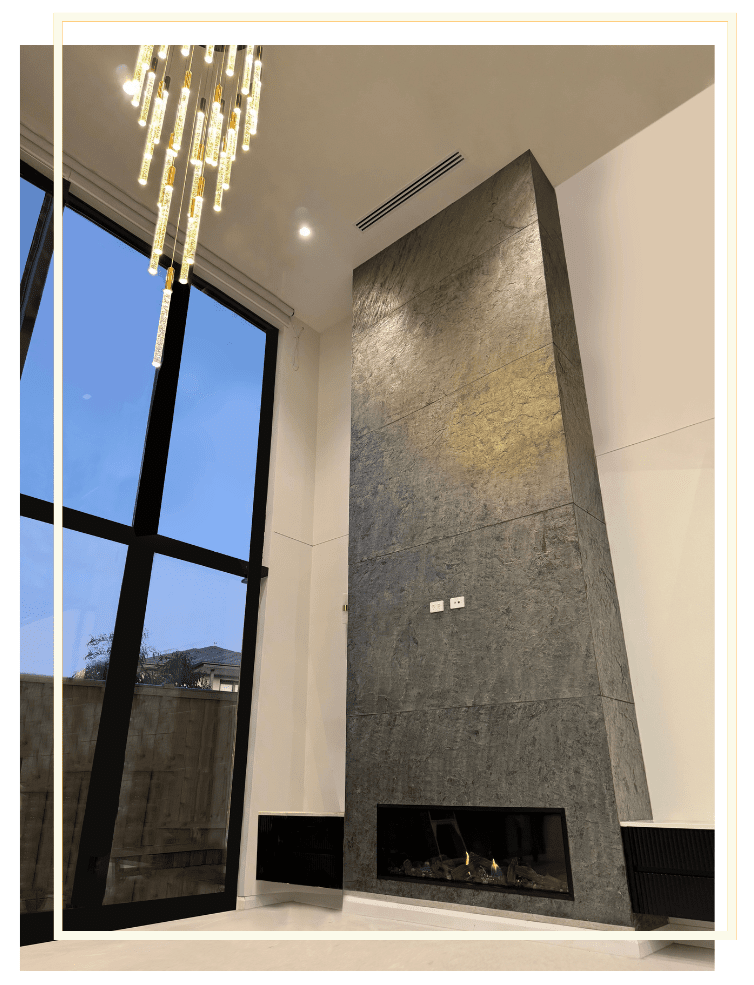

When building or renovating in Australia, choosing the right wall finish is a big decision. While paint, tiles, and timber cladding remain popular, more homeowners are now turning to stone cladding for its durability, luxury feel, and long-term value.
So how does stone cladding compare to traditional wall finishes? Let’s break it down clearly so you can decide what truly works best for your home.
First Impressions Matter
Traditional finishes like paint or timber look good initially, but over time they fade, crack, and require constant maintenance. Stone cladding, on the other hand, retains its appearance for decades.
A stone-clad façade instantly creates a premium first impression—something buyers notice before they even step inside.
Durability in Harsh Australian Conditions
Australian homes face intense sunlight, coastal salt, heavy rain, and dust. Paint peels, timber warps, and tiles loosen.
Stone cladding:
- Resists UV damage
- Handles moisture without swelling
- Doesn’t rot or attract termites
This makes it ideal for both interior and exterior walls.
Maintenance Comparison
| Finish Type | Maintenance Level |
|---|---|
| Paint | High – repaint every few years |
| Timber Cladding | High – sealing and termite treatment |
| Tiles | Medium – grout cleaning and repairs |
| Stone Cladding | Low – occasional wash and sealing |
Stone cladding clearly wins in the long run.
Design Flexibility
Traditional wall finishes often look flat. Stone cladding adds natural depth and texture.
With modern options such as:
- Flexible stone
- Marble and slate panels
- Liquid rust finishes
- Carbon Crystal Boards
Australian homeowners can match any design style—from industrial to coastal luxury.
Energy Efficiency Benefits
Stone naturally improves thermal performance by stabilising indoor temperatures. This means:
- Cooler interiors in summer
- Better heat retention in winter
- Reduced energy costs
Paint and timber don’t offer the same insulation benefits.
Installation: Then vs Now
In the past, stone was heavy and expensive to install. Today, innovations like peel-and-stick stone, flexible tiles, and lightweight CCB panels make stone cladding installation faster and more affordable than ever.
Cost: Short-Term vs Long-Term
While stone cladding may cost slightly more upfront, it saves money over time by reducing:
- Repainting
- Repairs
- Replacement of damaged finishes
It also adds resale value—something traditional wall finishes can’t compete with.
Conclusion
For Australian homes, stone cladding outperforms traditional wall finishes in durability, appearance, maintenance, and long-term value. Whether it’s a full façade or a simple feature wall, stone delivers results that paint, timber, and tiles simply can’t match.
If you’re choosing between stone cladding and traditional finishes, the answer is clear—stone is the smarter investment.
FAQs
1. Is stone cladding more expensive than paint?
Initially yes, but stone saves money long-term due to minimal maintenance.
2. Can stone cladding be installed over existing walls?
Yes, most modern stone panels are designed for retrofit projects.
3. Does stone cladding suit modern homes?
Absolutely. Flexible stone, marble panels, and concrete finishes are perfect for contemporary designs.
4. How long does stone cladding last?
With proper care, it can last over 30 years.
5. Can stone cladding be used indoors?
Yes, it’s ideal for feature walls, kitchens, bedrooms, and living areas.


