

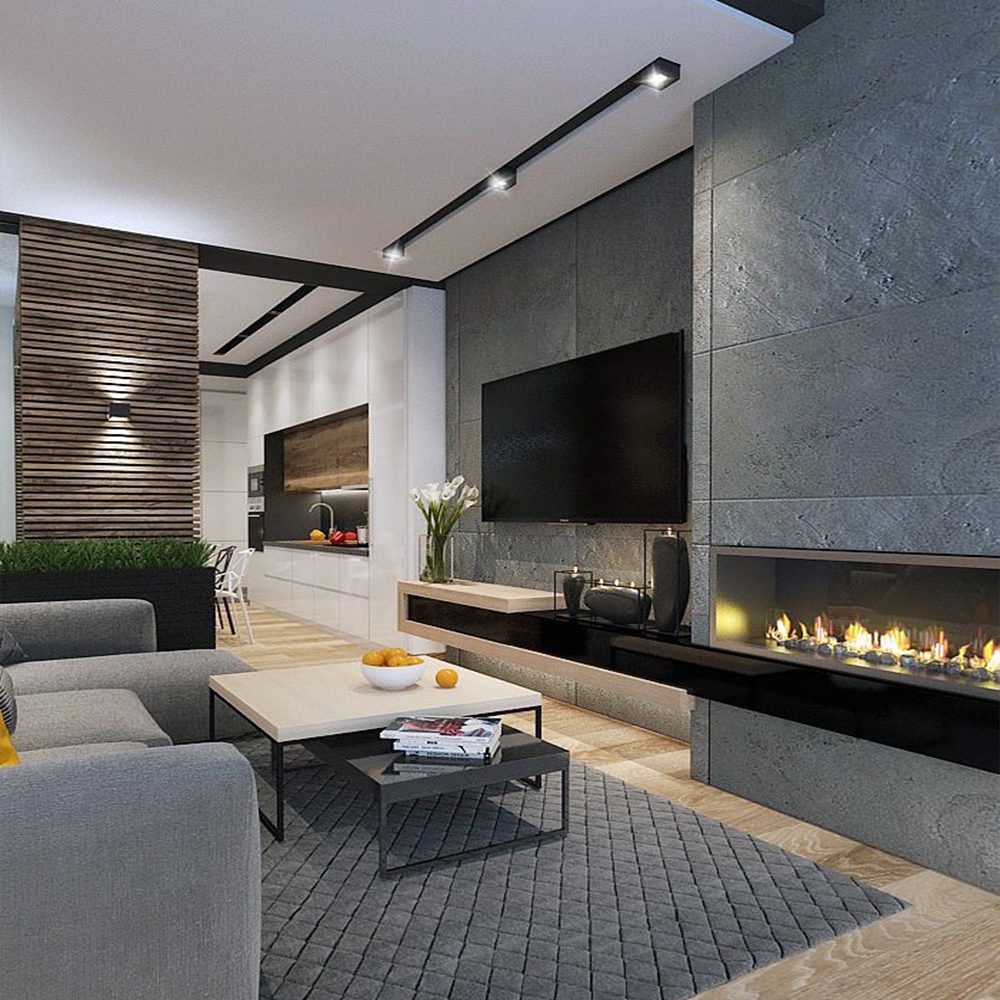
100% natural flexible stone panels are ultra-thin sheets of real slate, marble or sandstone (about 1–2 mm of stone) bonded to a flexible backing. A standard 2700 × 1220 mm sheet weighs roughly 1.5 kg, bends around curves, cuts with an angle grinder and fixes with construction adhesive over plasterboard, render, brick, tile or cement sheet. Browse the range in our flexible stone collection.
What are flexible stone panels?
Flexible stone panels, also called thin stone veneer or flexible stone veneer, are made by taking a very thin layer of stone from a natural quarried block and bonding it to a flexible backing. The face you see and touch is genuine stone, with the same veining, texture and colour variation as the slab it came from. The backing is what gives the sheet its flexibility and low weight.
Sketch Australia's flexible stone panels are cut from natural slate, marble, sandstone and travertine. Because the stone layer is only one to two millimetres thick, a full 2700 × 1220 mm sheet weighs about 1.5 kilograms — a fraction of a tile or slab of the same area — and can be carried, cut and fitted by one person.
Why flexible stone instead of tiles, slabs or stacked stone?
Traditional stone cladding is 20 to 50 mm thick, weighs 30 to 60 kilograms per square metre, needs mechanical fixing and often an engineer's sign-off on the wall behind it. Large-format tiles need a tiler, a wet-area substrate and grout lines every 600 to 1200 mm. Flexible stone gives you the same natural face in a large, light sheet that goes on with adhesive, so the installed cost is lower and the finished wall has far fewer joints.
The flexibility is the other difference. A tile cannot bend, but a flexible stone sheet can follow a curved wall, wrap a column or bulkhead, and line the front of joinery, doors and even caravan interiors. We cover the trade-offs in detail in our stacked stone vs flexible stone veneer and large-format tiles vs flexible stone comparisons.
Where can flexible stone panels be installed?
Flexible stone panels can be installed over virtually any flat, sound substrate: plasterboard, cement sheet, render, brick, blockwork, existing tiles, MDF and plywood. They are used inside and out, in dry and wet areas.
The most common applications we see are kitchen splashbacks and island fronts, bathroom and shower walls, living-room feature walls and TV walls, fireplace surrounds, entry and hallway walls, outdoor kitchens, garage and facade walls, and commercial reception and retail fit-outs. Backlit applications use our translucent stone range, which lets light through the stone layer.
How are flexible stone panels installed?
Installation is a DIY-friendly job with ordinary tools. Measure the wall and allow about 10 per cent extra for cuts and pattern matching. Cut the sheet to size with an angle grinder, or a heavy-duty knife for thinner cuts. Apply a flexible construction adhesive to the clean, dry substrate, press the sheet into place working from one edge, and seal the edges and joints. In wet areas and outdoors, seal the finished surface with a penetrating stone sealer. The full method is in our installation guide, and any local tiler or handyman can do the work if you would rather not.
Eight reasons customers choose flexible stone
1. Natural appearance
Every sheet is real stone, so no two are the same. The warmth and depth of natural slate, marble or sandstone is something printed, PU or laminate panels cannot match. Order the full quantity for a project together so all sheets come from the same batch.
2. Durability
Correctly installed and sealed, natural stone panels stand up to changing weather, heat and moisture for years. The stone face resists fading and wear in a way that printed or laminate finishes cannot.
3. Versatility
Walls, ceilings, curved surfaces, furniture, doors and exteriors — the same product works across all of them, which is rare for a stone finish.
4. Affordability
Flexible stone costs far less than solid stone slab, and because installation is adhesive-based and DIY-friendly, the labour cost is a fraction of traditional cladding or tiling.
5. Low weight
At roughly 1.5 kg per standard sheet, transport, handling and installation are easy, and the wall needs no structural reinforcement.
6. Water and heat resistance
Natural stone is inherently water- and heat-resistant, which is why the same panel can be used behind a cooktop, in a shower and on an outdoor wall.
7. Ease of installation
Angle grinder, adhesive, sealer. Most feature walls are finished in a day.
8. Low maintenance
After the initial penetrating sealer, day-to-day care is a wipe with a damp cloth or a standard stone cleaner. Re-seal every few years in high-wear or wet areas. See our care and maintenance guide.
Flexible stone panel FAQs
Are flexible stone panels real stone?
Yes. The face is a genuine layer of quarried slate, marble, sandstone or travertine. The flexibility comes from the backing, not from any substitute for stone.
How thick are flexible stone panels?
The stone layer is about 1 to 2 mm and the full sheet is a few millimetres thick, which is why it can bend and why it adds almost no depth to a wall.
Can flexible stone be used in showers and outdoors?
Yes. Seal the joints and surface as described in the installation guide. The panels are used on facades, outdoor kitchens and shower walls across Australia.
What sizes are available?
The standard sheet is 2700 × 1220 mm, with smaller formats, a peel and stick range and sample packs so you can check the finish in your own light before ordering.
Where can I see the panels?
At our showrooms in Cranbourne West and Sunshine North in Melbourne and Castle Hill in Sydney, or order a sample pack online. Delivery is Australia-wide.
Ready to choose a finish? Browse the full flexible stone collection or jump to slate, marble, sandstone and concrete.