

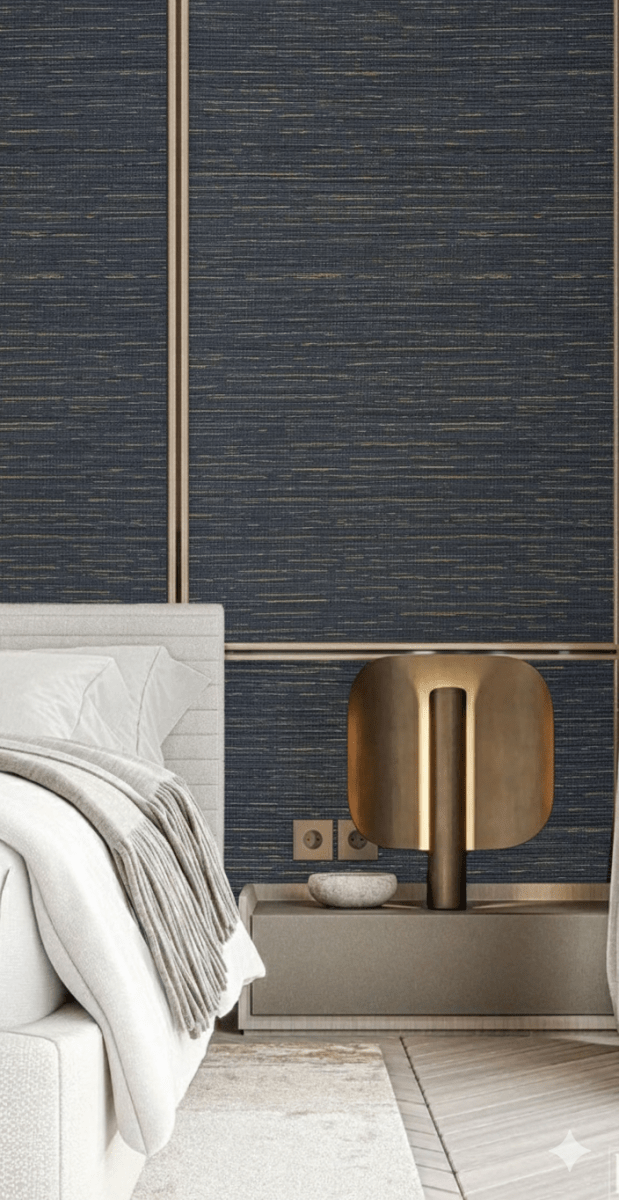

Stone cladding has been used in Australian architecture for generations — from the bluestone facades of Melbourne's heritage buildings to the sandstone cottages of regional New South Wales. But the way we use stone in modern homes has changed dramatically. Today, stone cladding panels make it possible to bring the beauty and character of natural stone to almost any wall, inside or out, without the cost, weight, or complexity of traditional masonry.
This guide covers everything you need to know about stone cladding panels in Australia — what they are, how they're installed, what they cost, and how to choose the right product for your project.
What Are Stone Cladding Panels?
Stone cladding panels are thin sections of natural stone — typically 3 to 20mm thick — that are applied to the surface of an existing wall. Unlike full stone construction, where the stone is load-bearing, cladding is purely decorative and protective. The structural work is done by the wall behind it; the stone cladding provides the aesthetic finish.
Modern stone cladding panels come in several forms:
- Thin stone veneer panels (1–3mm): ultra-lightweight, flexible, suitable for plasterboard
- Split-face or ledgestone panels (10–20mm): thicker, more textured, used for exterior applications
- Stacked stone tiles: pre-assembled sections of irregular stone pieces
- Peel and stick stone panels: self-adhesive backing for fast installation
What Types of Stone Are Available in Australia?
Slate

One of the most popular choices for both interior and exterior cladding in Australia. Slate has a naturally layered, split-face texture that creates strong visual depth. Available in charcoal, rust, grey-green, and multicolour varieties. Highly durable and suitable for wet areas.
Sandstone
A quintessentially Australian stone, sandstone has warm buff, honey, and terracotta tones that sit beautifully in the Australian landscape. Particularly popular for exterior cladding, garden walls, and alfresco areas. Sketch sources sandstone panels in a range of finishes from rough-hewn to smooth-faced.
Marble

For interior applications where luxury is the priority, marble cladding panels are unmatched. White, grey, black, and green marble varieties all have their own distinctive character. Marble is best suited to interior walls, feature panels, and bathroom applications.
Quartzite
A harder, more durable alternative to marble with similar elegance. Quartzite panels work well in both interior and exterior applications and are more resistant to weathering than marble.
Interior vs. Exterior Stone Cladding
One of the most important decisions is whether your stone cladding panels need to perform outdoors or indoors — and not all products are suitable for both.
For interior stone cladding, the main considerations are weight (will the wall support it?), moisture resistance (is this a wet area?), and aesthetics. Thin stone veneer panels are ideal for interior feature walls because they're lightweight enough to go on standard plasterboard.
For exterior stone cladding, you need to think about UV resistance, freeze-thaw performance (less relevant in most of Australia, but important in alpine areas), and how the stone will handle Australian summer heat. Slate, sandstone, and quartzite all perform well in exterior applications. Always check that the adhesive and grout system you use is rated for outdoor use.
Australian climate note: In coastal areas, ensure your stone cladding and fixing system are rated for salt air exposure. Ask the Sketch team for recommendations specific to your location.
How Are Stone Cladding Panels Installed?
The installation method depends on the panel type and substrate:
Thin Stone Veneer Panels
Applied with flexible tile adhesive directly onto the prepared wall surface. Can go over plasterboard, render, concrete, or masonry. Grout or pointing compound is used to fill the joints. This is the most DIY-friendly option.
Split-Face and Ledgestone Panels
Heavier panels typically require a rendered or masonry substrate. Commercial projects may use mechanical fixing systems in addition to adhesive, particularly for large exterior areas.
Peel and Stick Panels
The fastest installation method — self-adhesive backing means no adhesive mixing, no mess. Best suited to feature walls where the surface is clean, dry, and flat.
How Much Do Stone Cladding Panels Cost in Australia?
Pricing varies considerably depending on the stone type, thickness, and finish. As a general guide for the Australian market:
- Entry-level thin stone veneer: from $60–$90 per square metre
- Mid-range slate and sandstone panels: $90–$150 per square metre
- Premium marble and quartzite panels: $150–$300+ per square metre
Installation costs are additional and will vary depending on the complexity of the job, the substrate, and your location. For straightforward feature walls, experienced tilers typically charge $40–$80 per square metre for labour.
Choosing the Right Stone Cladding Panel for Your Project
Here's a simple framework to guide your decision:
- Interior feature wall, plasterboard substrate → thin stone veneer panel
- Bathroom or wet area → slate or porcelain-backed stone panel, fully waterproofed
- Exterior cladding, rendered wall → split-face slate or sandstone panel
- Fast DIY installation → peel and stick stone panel
- Maximum luxury, interior only → marble or quartzite veneer
Get Samples Before You Commit
Stone is a natural material and every batch has variation in colour, texture, and tone. The single best thing you can do before ordering a full quantity is to request samples and view them in the actual space where they'll be installed — in natural and artificial light, next to your flooring, cabinetry, and furnishings.
Sketch offers sample orders across our full stone cladding range. Contact our team or order directly through our website.